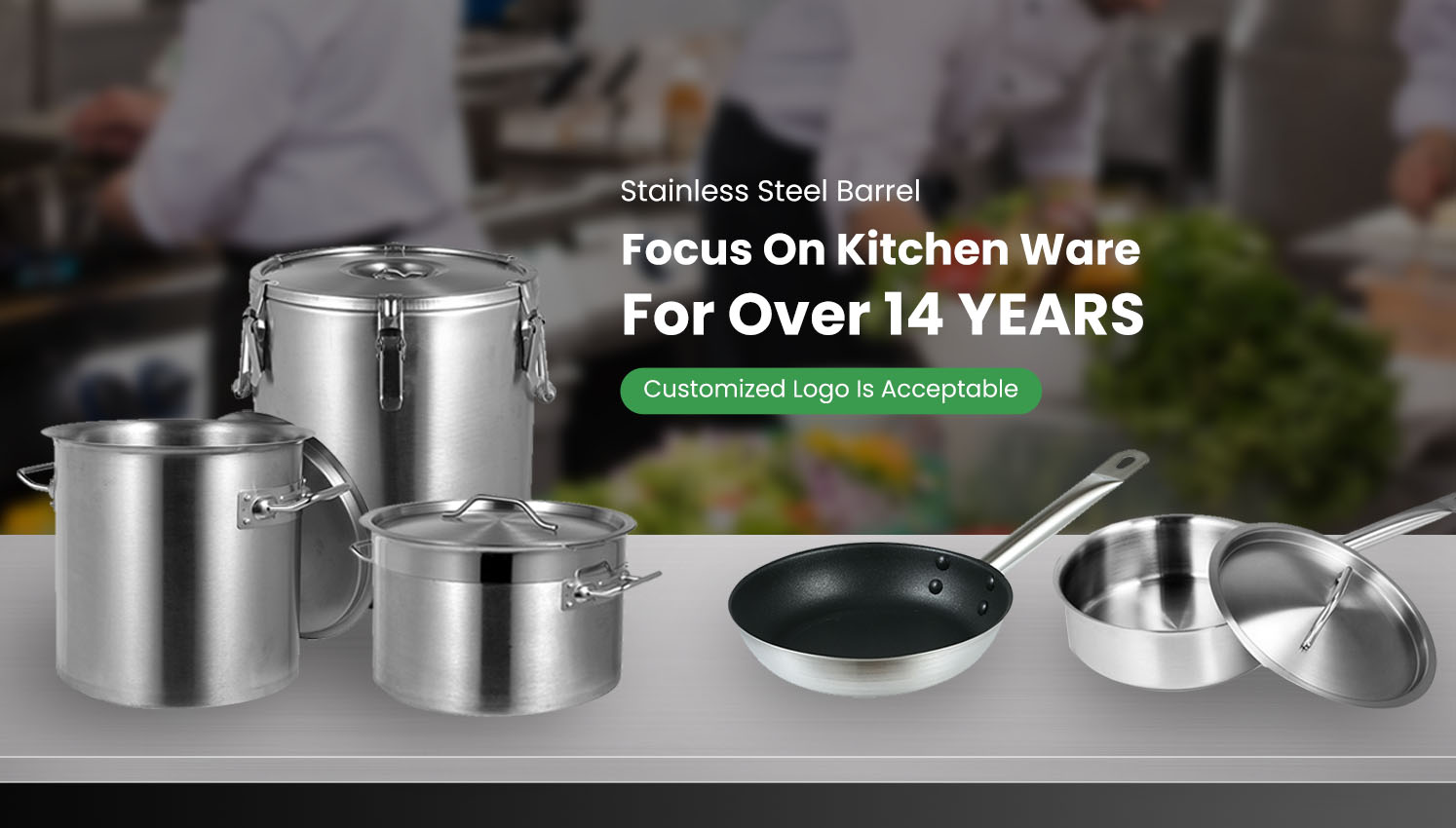
Choosing the right Frying Pan for a commercial kitchen is not a small purchasing decision. In restaurants, hotels, catering lines, canteens, and food service chains, cookware affects cooking speed, heat consistency, cleaning efficiency, and replacement cost over time. A pan that looks similar on the shelf can perform very differently during long working hours, especially when it faces repeated heating, fast service pressure, and constant washing.
For buyers, the real question is not only which pan can cook food, but which pan can stay stable under daily commercial use. A good pan should support kitchen rhythm, help chefs keep dish quality consistent, and reduce unnecessary downtime caused by warping, poor heat transfer, or surface damage.
Before comparing materials or sizes, it is important to understand how the pan will be used. Different kitchens need different performance priorities. A fast-paced stir-fry station may require quick heat response, while a breakfast line may focus more on even heating and easy turnaround. Central kitchens may care more about long service life and batch consistency.
A practical selection process starts with a few key questions. What dishes are cooked most often? How long does the pan stay on heat each day? Is it used on gas, induction, or electric cooktops? Does the kitchen need one general-purpose model or several pans for different stations? These answers help narrow the choice much faster than looking only at appearance or price.
Material is one of the most important factors in commercial cookware selection. It affects durability, corrosion resistance, heat distribution, and cleaning performance. In many professional kitchens, a stainless steel frying pan is a reliable option because it offers strong structural stability, good hygiene performance, and a clean professional appearance suited to repeated use.
Commercial buyers should not only ask what material is used, but also whether the thickness is suitable for heavy-duty work. Thin pans may cost less at the beginning, but they can deform more easily under frequent heating. A stronger body usually supports better shape retention and longer service life, especially in busy kitchens where cookware is used for many hours every day.
A commercial frying pan must deliver heat in a controlled and stable way. Uneven heating often causes local burning, inconsistent color, and slower output during peak service. This problem becomes more obvious when chefs are preparing multiple portions in a short time.
When evaluating a frying pan, look at the base construction, heat conduction efficiency, and how well the pan maintains temperature after food is added. In high-volume kitchens, stable heat recovery matters because it affects the speed of every cooking cycle. A pan with better thermal balance can help reduce cooking variation between shifts, which is especially valuable for standardized menu operations.
Pan size should match both menu design and kitchen workflow. Oversized pans may waste energy and crowd the cooking line, while undersized pans can slow output and force repeated cooking cycles. Diameter, wall height, and base width all influence how practical the pan is during real use.
Here is a simple guide for commercial selection:
| Kitchen Use | Suggested Pan Focus | Why It Matters |
|---|---|---|
| Fast service restaurants | Medium size, quick heat response | Helps speed and turnover |
| Hotel kitchens | Multiple sizes with stable base | Supports menu diversity |
| Catering operations | Larger capacity and strong body | Fits batch cooking needs |
| Open kitchen concepts | Clean finish and consistent shape | Improves visual presentation |
In commercial kitchens, the handle is not a minor detail. It affects safety, comfort, and work efficiency throughout the day. A secure handle connection reduces shaking during lifting and pouring. A well-designed grip also helps staff move the pan more confidently during busy periods.
Buyers should pay attention to whether the handle feels balanced with the pan body, whether it stays stable after repeated use, and whether the structure is easy to clean. In a professional kitchen, small ergonomic details can improve workflow more than expected, especially where staff use the same cookware for long shifts.
A commercial kitchen does not judge cookware only by how it cooks. Cleaning speed, stacking convenience, and maintenance requirements are also part of the real cost. Pans with smoother surfaces and stronger structural finishing are usually easier to wash and less likely to keep residue after service.
It is also wise to think beyond the first order. Can the supplier maintain consistent specifications across batches? Can the same style be reordered later without changing kitchen workflow? Standardized production can help buyers avoid operational problems when expanding a location or replacing worn units in stages.
Even a well-designed pan can become a poor purchase if supply quality is unstable. Commercial buyers often need more than a single shipment. They need reliable dimensions, consistent finish, dependable lead times, and packaging that protects products during transport. This is where the manufacturer’s process control becomes important.
JUNERTE focuses on commercial kitchenware with attention to practical use, stable production, and export-oriented quality standards. For buyers, this means a better chance of receiving cookware that matches project requirements from one order to the next. Consistency is especially important for wholesalers, food service equipment distributors, and project-based kitchen procurement.
The best commercial frying pan is not simply the cheapest or the heaviest. It is the one that fits the cooking environment, performs reliably under pressure, and supports efficient daily operation over time. A smart purchase reduces replacement frequency, helps kitchen teams work faster, and protects food consistency across service periods.
When comparing options, focus on material strength, heat stability, pan size, handle safety, cleaning efficiency, and supplier reliability. A commercial kitchen works best when every tool supports speed and consistency, and the right frying pan is one of the tools that can make that difference clear from the first day of use.
For professional kitchen projects, it is worth choosing cookware from a supplier that understands daily foodservice demands and can support stable supply as your business grows. JUNERTE offers that practical manufacturing support with products built for commercial performance.