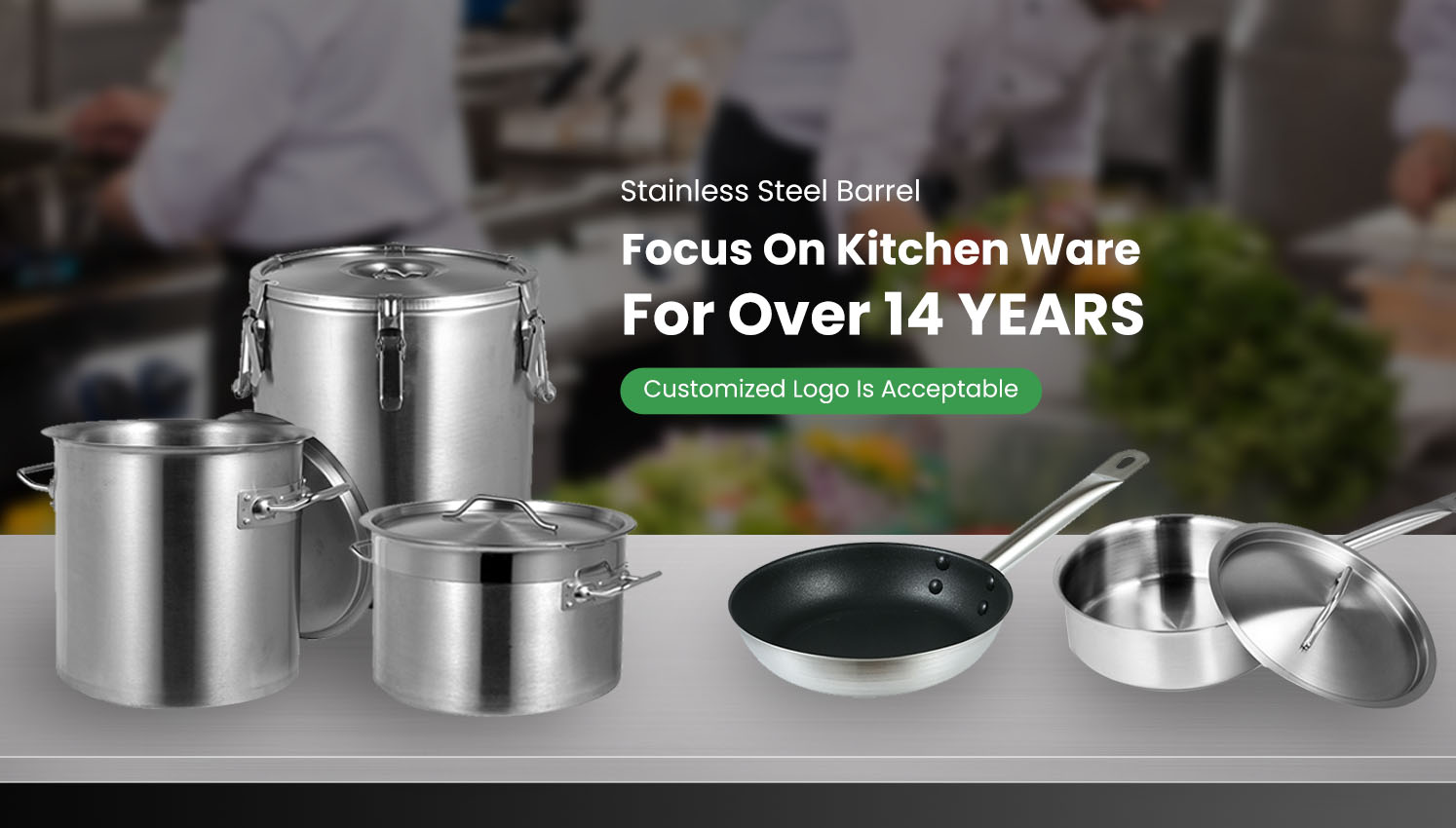
Choosing kitchen equipment for a catering operation starts with one basic rule: buy for service flow, not just for product appearance. A catering kitchen works under pressure from transport, batch cooking, timed service, food safety checks, and repeated cleaning. Equipment that looks impressive but slows loading, holding, movement, or cleanup usually increases labor cost over time. JUNERTE’s product range shows a practical match for this environment, covering Chafing Dishes, Buffet Display items, Service Trolleys, Rack Trolleys, soup kettles, bain marie units, gastronorm containers, and other stainless steel solutions used in buffet and professional foodservice settings. The company states that it was established in 2016, operates from Jiangmen, covers 8,000 square meters, employs more than 45 people, and offers more than 200 products.
Before comparing shapes, finishes, or capacities, define how food is actually served. A hotel buffet, banquet hall, central kitchen, wedding catering team, and mobile event operator do not use equipment the same way. Some need elegant front of house presentation. Others need faster turnover, lighter transport weight, and easier stacking. A useful kitchen equipment selection guide should begin with four questions: how many covers are served per session, how long food must stay at safe holding temperature, how often the equipment is moved, and how quickly the team must reset for the next service. Food safety matters here because hot holding equipment should keep food at 135°F or above, while cold holding equipment should keep food at 41°F or below.
Good catering equipment protects both presentation and compliance. The U.S. CDC says 48 million people get sick from foodborne illness each year, with 128,000 hospitalizations and 3,000 deaths. That is why the first equipment filter should be hygienic design, stable temperature control, and easy cleaning surfaces rather than decorative finish alone. NSF notes that food equipment standards cover material safety, design, construction, and product performance. For buffet service, smooth stainless steel surfaces, accessible corners, removable pans, and consistent holding performance are far more valuable than visual styling by itself.
The smartest buyers separate equipment into operating roles.
Holding and presentation for chafing dishes, bain marie, soup kettles, beverage dispensers, and buffet display
Transport and back of house movement for service trolleys and GN pan trolleys
Batch handling and prep support for gastronorm containers, stock pots, and insulated vessels
Cooking support for items such as deep fryers, pasta cookers, and steam related equipment
JUNERTE’s catalog is useful here because it covers these connected roles rather than a single isolated item category. On its website, the company lists chafing dish lines including economic, rolling top, and hydraulic styles, plus buffet display products such as sauce dispensers, cereal dispensers, soup kettles, and juice dispensers, as well as electric equipment and GN containers. That range is valuable because buyers can keep dimensions, materials, and visual style more consistent across a full buffet line.
Material choice strongly affects service life. Stainless steel remains the core material for most catering kitchen equipment because it supports cleaning, corrosion resistance, and repeated daily use. JUNERTE repeatedly positions stainless steel as a key material across its chafing dishes, soup kettles, trolleys, and buffet products, and it also states that its products are manufactured under strict international guidelines and that it has obtained LFGB certification. For buyers serving humid kitchens, wash down environments, and frequent transport conditions, weld quality, edge finishing, lid mechanism durability, and frame stability are often more important than low entry price.
Oversized units can reduce food freshness, while undersized units create refill pressure and service interruptions. That is why capacity should be tied to serving rhythm. JUNERTE lists examples such as a hydraulic style chafing dish with 9.46 quart capacity, a 6 liter commercial food warmer, and a 10 liter commercial soup kettle. Those differences matter because soup, sauces, mains, and side dishes move at different rates. High turnover menu items benefit from larger, stable holding vessels. Premium items with smaller batch output often perform better in smaller pans that support frequent replenishment and a fresher buffet look.
In buffet operations, lid design directly affects speed, safety, and customer experience. Roll top and hydraulic systems help reduce manual lid handling during service. JUNERTE highlights hydraulic and roll top chafing dish options with glass viewing windows, 90 degree and 180 degree opening positions, and slow closing hinge structures. These details are not minor. They help reduce queue friction, limit heat loss during repeated opening, lower splash risk, and improve the appearance of the serving line. For upscale buffet service, glass window lids also allow guests to view food without opening the unit, which supports both presentation and temperature stability.
Many buyers spend heavily on warmers and display pieces but underestimate movement efficiency. In reality, labor hours are often lost during loading, unloading, and cleaning transitions. JUNERTE’s trolley range includes GN pan trolleys and stainless steel rack trolleys, with descriptions noting thick stainless steel construction, 360 degree wheels, and foot brakes. For kitchens serving multiple events or large venue shifts, these details improve internal transport, reduce manual carrying, and shorten reset time between service windows. When teams search for commercial kitchen tools, they should compare transport equipment with the same seriousness as cooking or holding equipment.
Purchase cost is only one part of the decision. ENERGY STAR notes that certified commercial food service equipment helps kitchens cut utility and maintenance costs, and its equipment savings fact sheet says most commercial kitchen equipment lasts eight years or more. For buyers building or upgrading a professional buffet line, energy performance affects total ownership cost over the long term. Even when a buffet system includes manual fuel heated units, buyers still need to evaluate the surrounding electric equipment such as soup kettles, bain marie units, and cookers through the lens of operating cost, not just purchase price.
| Decision area | What to check | Why it matters |
|---|---|---|
| Food safety | Stable hot and cold holding performance, easy cleaning surfaces | Helps protect service quality and reduce risk |
| Material | Stainless steel grade, weld quality, edge finish | Affects durability and appearance |
| Capacity | Pan size, refill frequency, menu type | Supports freshness and smoother service |
| Lid system | Roll top, hydraulic, viewing window | Improves speed and reduces heat loss |
| Mobility | Wheels, brakes, trolley structure | Cuts labor during movement and reset |
| Energy use | Efficient electric holding or cooking equipment | Lowers long term operating cost |
| Product range | Matching buffet, trolley, GN, and display items | Improves system consistency |
| Supplier strength | Production equipment, technical team, quality control | Supports repeat orders and stable supply |
A strong supplier should support more than one attractive item. JUNERTE presents itself as a manufacturer and supplier of stainless steel kitchenware, kitchen trolley products, and buffet equipment, with independent production workshops, product development teams, laser cutting, automatic welding, and multifunctional punching equipment. That kind of integrated manufacturing setup helps reduce inconsistency across batches and makes it easier to coordinate finish, structure, and lead time across a full order. This matters even more today because U.S. Census data shows food service and drinking places sales in February 2026 were up 5.2 percent from February 2025, which signals ongoing demand pressure for operators that need reliable replacement and expansion plans.
Many people search online for food service equipment or try to choose catering equipment business purchases by comparing photos and prices first. That usually leads to a fragmented setup. Better results come from building the line around service stability: safe holding temperatures, durable stainless steel structure, practical lid mechanics, matched trolley support, correct capacity, and dependable supplier coordination. For teams sourcing catering kitchen equipment, JUNERTE’s catalog strength is that it covers the buffet line as a working system rather than a single isolated product, which makes selection more efficient and more suitable for repeat service.
A reliable catering line should help the kitchen move faster, clean fa