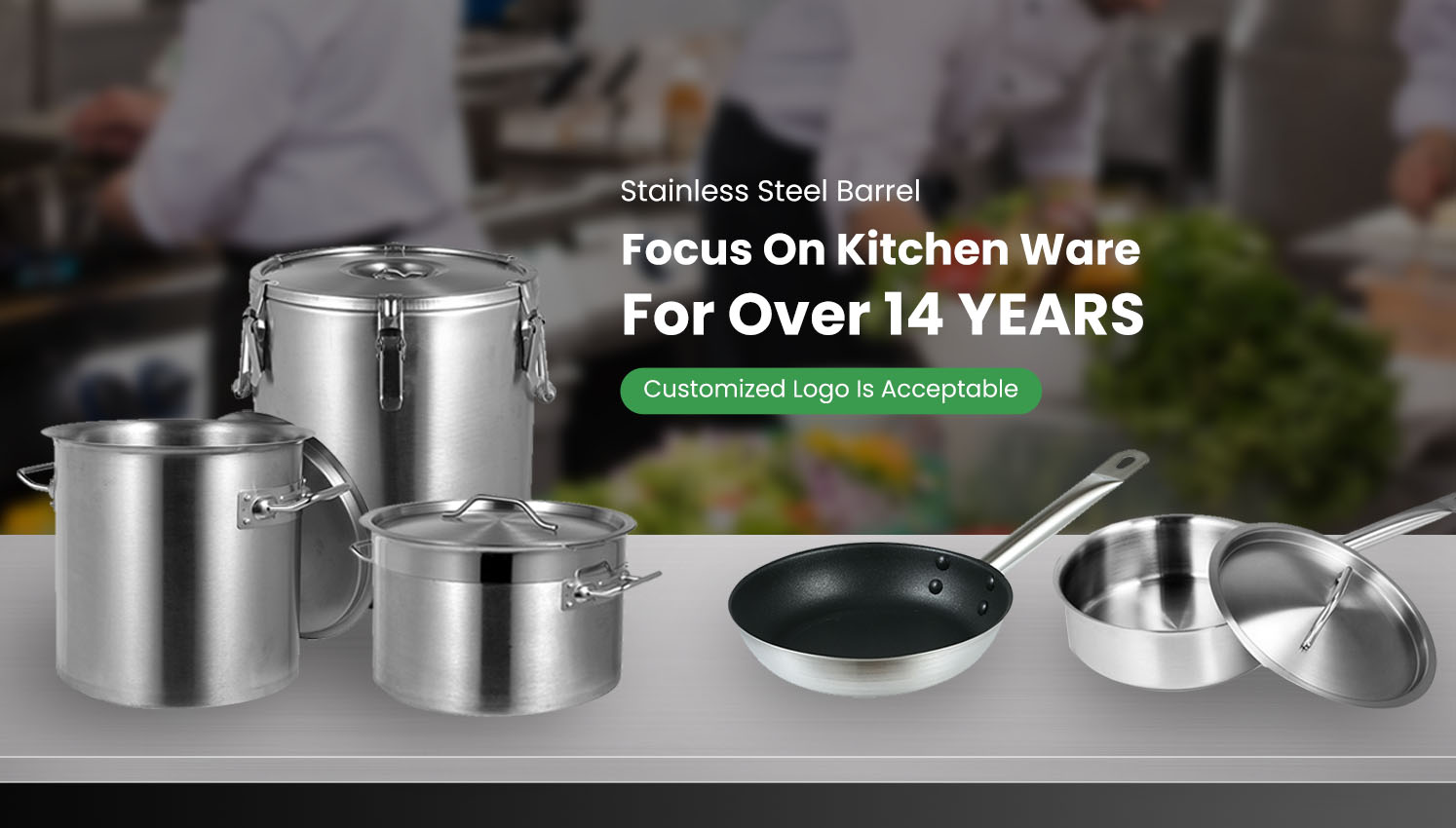
Efficient food operations depend on the right tools working together in a coordinated system. Commercial catering equipment is designed to support high-volume food preparation, safe holding, attractive presentation, and smooth service flow in professional environments. From hotel buffets to large-scale event catering, each piece of equipment plays a defined role in maintaining food quality, speed, and consistency.
One of the primary purposes of professional equipment is to handle large quantities of food without compromising quality. Ovens, fryers, cookers, and preparation stations are built to operate continuously during peak hours. Compared with household appliances, industrial units offer higher power output, faster recovery times, and more durable construction. According to industry data from ENERGY STAR, commercial cooking equipment can operate up to 10–12 hours per day in busy kitchens, which highlights the need for reliable and efficient systems.
This category of food service equipment ensures that ingredients can be processed, cooked, and staged in a predictable workflow. Proper equipment selection helps reduce preparation time and maintain consistent cooking results across batches.
After cooking, holding food at the correct temperature becomes critical. Equipment such as warming stations and heated displays ensures that food remains safe for consumption while preserving taste and texture. The United States Department of Agriculture recommends keeping hot food above 140°F and cold food below 40°F to prevent bacterial growth.
A typical solution in buffet settings is the chafing buffet set, which uses controlled heat to keep dishes warm during service. These systems are widely used in hotels, banquets, and catering events because they combine practicality with presentation. They allow operators to serve food over extended periods without repeated reheating.
Beyond functionality, catering operations rely on visual appeal to attract customers and improve dining experience. Display equipment such as buffet counters, food warmers, beverage dispensers, and serving trays are designed to present food in an organized and appealing way.
Well-designed buffet service equipment helps create a structured layout that guides customer flow and reduces congestion during peak service times. Industry reports from the National Restaurant Association show that efficient buffet layouts can improve service speed by up to 20 percent during high-traffic periods. This directly impacts customer satisfaction and turnover rate.
Modern kitchens require equipment that supports productivity while reducing labor intensity. Automated or semi-automated systems streamline repetitive tasks, allowing staff to focus on quality control and service. Equipment with modular design also enables flexible kitchen setups, adapting to different service formats such as buffet, à la carte, or catering delivery.
A well-planned setup often follows a clear catering equipment use guide, where preparation, cooking, holding, and serving zones are logically arranged. This reduces unnecessary movement and minimizes errors during busy operations.
Commercial catering equipment is used across a wide range of environments, each with specific requirements:
Hotels and resorts rely on full buffet systems for breakfast and large events
Restaurants use specialized cooking and holding units for daily service
Catering companies need portable and durable equipment for off-site events
Institutional kitchens such as schools and hospitals require consistent output and strict hygiene control
These varied commercial kitchen equipment uses demonstrate the importance of versatility. Equipment must not only perform well but also adapt to different service styles and operational scales.
Professional catering equipment is typically constructed from stainless steel due to its strength, corrosion resistance, and ease of cleaning. NSF standards for food equipment materials emphasize the importance of smooth surfaces and hygienic design to prevent contamination.
Durable construction ensures long service life, especially in environments where equipment is exposed to heat, moisture, and constant use. For manufacturers like JUNERTE, focusing on material quality and production control helps deliver stable performance across repeated orders.
| Equipment Type | Main Function | Typical Application |
|---|---|---|
| Cooking equipment | Food preparation and heating | Restaurants, central kitchens |
| Holding equipment | Temperature maintenance | Buffets, catering events |
| Display equipment | Food presentation | Hotels, banquet halls |
| Transport equipment | Food movement and storage | Catering services |
| Serving equipment | Portioning and distribution | Self-service lines |
Each category works together to form a complete service system rather than isolated tools.
Commercial catering equipment serves as the backbone of professional food operations. It enables kitchens to prepare large volumes efficiently, maintain food safety standards, and deliver consistent service quality. From cooking to presentation, every component contributes to a structured workflow that supports both operational performance and customer experience. Manufacturers with integrated production capabilities and a broad product range are better positioned to supply coordinated solutions that align with real-world catering demands.