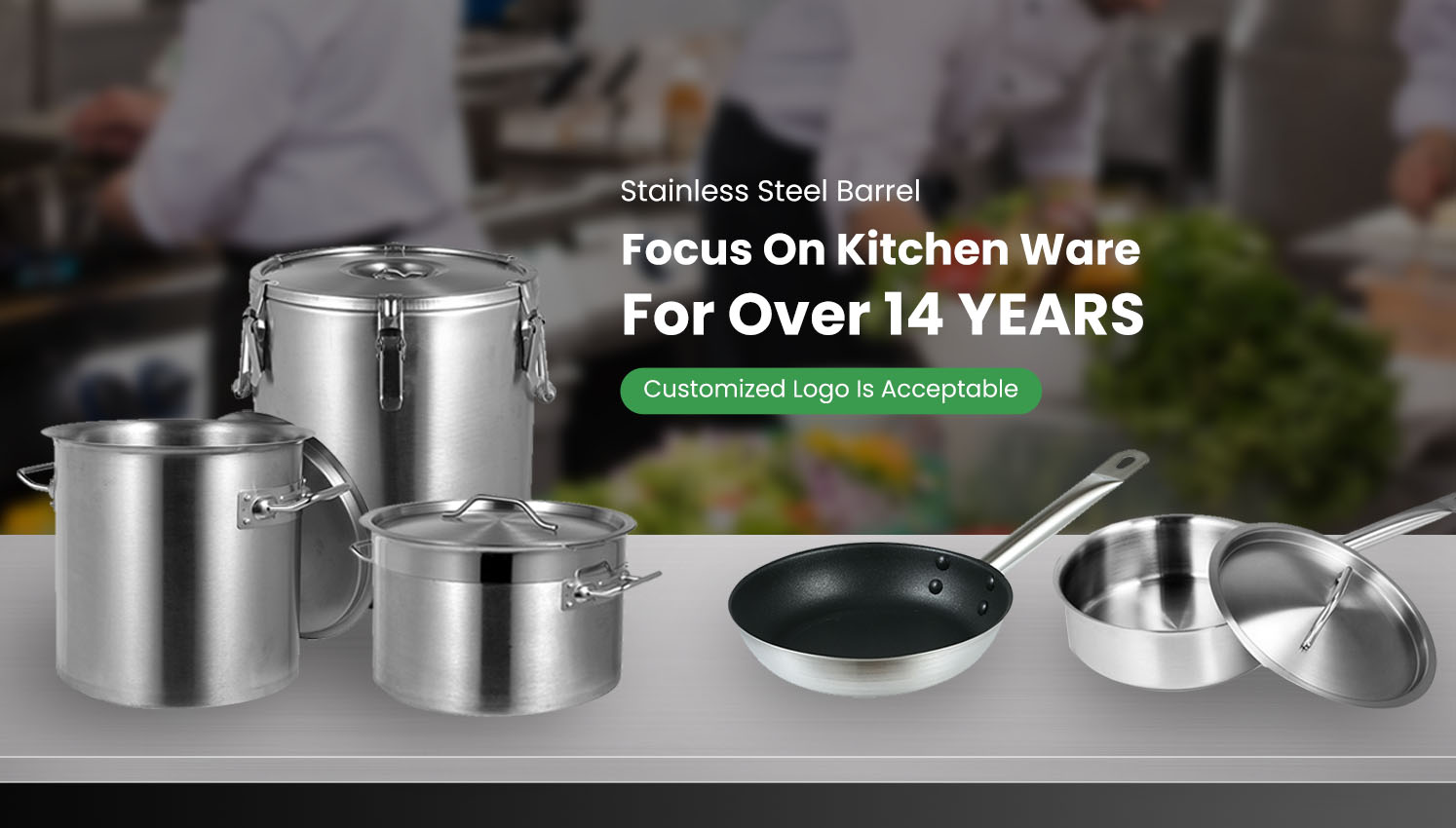
Reliable food service is not only decided by cooking quality. During catering delivery, buffet preparation, hotel service, central kitchen distribution, and canteen operation, cooked food must often leave the kitchen before it reaches the serving point. An insulated food container helps protect food temperature, reduce handling pressure, and keep service preparation more organized.
JUNERTE manufactures stainless steel kitchenware, buffet equipment, trolleys, chafing dishes, gastronorm containers, Insulated Buckets, and related commercial kitchen products. Its insulated bucket category includes stainless steel insulation food preservation barrels and stainless steel food warmer insulation containers, which are designed for food holding and transport in commercial catering environments. JUNERTE’s product system also covers Service Trolleys, Rack Trolleys, chafing dishes, buffet displays, electric equipment, and GN containers, helping buyers match transport, storage, and serving equipment from one supplier.
Freshly cooked food often needs to move through several steps before service. It may be transferred from a production kitchen to a banquet hall, from a hotel kitchen to an outdoor dining area, from a central kitchen to a branch site, or from a prep area to a buffet station. During these movements, open containers lose heat quickly and may affect serving quality.
An insulated container slows down temperature change by creating a protected holding space around the food. It does not replace proper cooking, reheating, or hot-holding equipment, but it helps reduce heat loss during short-distance transfer and waiting time before service. This is why insulated containers are commonly used together with chafing dishes, soup kettles, bain maries, GN pans, and service trolleys.
Food temperature is closely connected with safety control. The FDA food safety guidance describes the temperature danger zone as 41°F to 135°F, where food is more likely to support pathogen growth. FDA materials also show that hot TCS food should generally be maintained at 135°F or above when hot holding is required.
For catering operations, this means food should not be left uncovered or slowly cooling during transport. Insulated containers support a more controlled workflow, especially when staff need extra time to move food from cooking areas to serving areas. A practical insulated container use guide should always consider cooking temperature, loading time, delivery distance, service delay, and whether food needs reheating before final service.
Many buyers think insulated containers are only for soup or rice. Their actual value is wider. They help connect cooking, delivery, temporary holding, and buffet preparation.
| Use Area | Typical Food Or Item | Practical Value |
|---|---|---|
| Hotel catering | Soup, rice, stew, cooked dishes | Keeps food ready before banquet service |
| Central kitchen | Batch-cooked food | Supports branch distribution |
| Outdoor events | Hot meals, sauces, beverages | Reduces temperature loss during movement |
| Staff canteen | Rice, porridge, cooked vegetables | Improves meal service consistency |
| Buffet backup | Refill food before display | Helps staff prepare replacement portions |
| Food delivery storage | Warm meals for scheduled service | Keeps food protected during short transport |
This structure makes insulated containers useful as part of catering transport equipment, especially when food must remain organized before reaching the dining area.
Catering work usually faces unstable conditions. The service point may be on another floor, in another building, inside a temporary event space, or at an outdoor venue. Staff may need to move food through elevators, corridors, loading zones, or service entrances before the food reaches the final station.
A good container reduces direct exposure to air, dust, temperature change, and handling mistakes. It also helps staff separate different food categories clearly. For example, rice can be loaded in one container, soup in another, and cooked dishes in a separate unit. This makes checking, loading, unloading, and serving easier during busy event preparation.
Buffet service needs stable replenishment. A chafing dish may look neat at the front counter, but the real pressure happens behind the scenes. Staff must prepare backup food, move it safely, and refill dishes without delaying guests.
JUNERTE’s chafing dish range is designed for keeping food warm and presenting it at events, banquets, and buffets. Some JUNERTE hydraulic chafing dish products are described for banquet and wedding use, with designs that support continuous food supply and cleaner service operation. Insulated containers can work with these buffet products by holding prepared food before it is moved into the serving line.
Food waste can come from poor temperature planning. When food cools too quickly, kitchens may need to reheat it, replace it, or discard it depending on safety rules and internal quality standards. When staff cannot deliver food on time, the kitchen may also prepare extra portions as a backup, increasing cost pressure.
Using an insulated container creates more flexibility between production and service. It gives kitchens a better buffer during peak periods, large events, or multi-point delivery. This does not remove the need for temperature monitoring, but it helps food service teams manage timing more predictably.
Capacity should match actual service volume. A container that is too small increases refill frequency, while a container that is too large may leave too much empty space inside. Empty space can affect temperature retention and make transport less efficient.
Material is another key point. Stainless steel is widely used in commercial kitchens because it resists corrosion, supports repeated cleaning, and gives a professional appearance. For a catering food transport solution, buyers should also check lid sealing, handle strength, inner wall structure, base stability, cleaning convenience, and compatibility with existing kitchen workflows.
JUNERTE’s advantage comes from its wider buffet and kitchenware product range. Its catalog includes insulated buckets, service trolleys, GN containers, chafing dishes, buffet displays, electric equipment, stock pots, barrels, Steamers, and rack trolleys. This makes it easier to plan a full food movement system instead of purchasing each product separately from unrelated sources.
For wholesale purchasing, consistency matters. Matching stainless steel finish, container structure, trolley size, and buffet equipment style can improve visual presentation and simplify replacement planning. JUNERTE supports this through a focused commercial kitchen product system, making it suitable for hotels, catering suppliers, restaurants, canteens, and food service distributors.
Insulated food containers are used for hot food transfer, catering delivery, buffet backup, central kitchen distribution, temporary holding, and organized food movement. Their role is not limited to keeping food warm. They also help improve workflow, reduce repeated handling, support better timing, and keep service preparation cleaner.
The best choice should be based on food type, transport distance, serving time, staff route, cleaning process, and matching equipment. When insulated containers are planned together with trolleys, GN pans, chafing dishes, and buffet displays, the whole kitchen service system becomes more efficient and easier to manage.