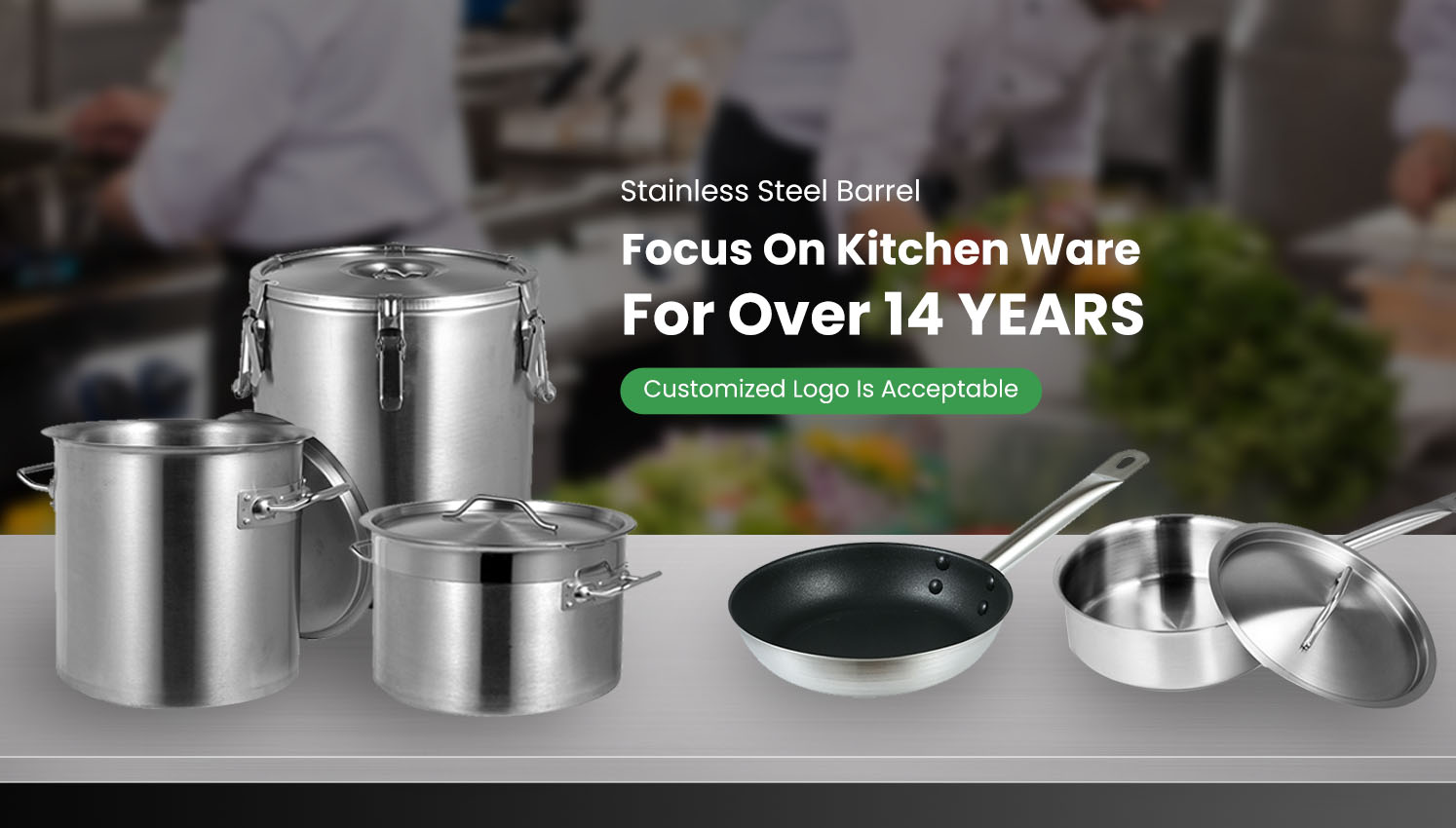
Stainless steel kitchen equipment is widely used in hotels, restaurants, bakeries, canteens, and catering kitchens because it looks clean, resists daily moisture, and supports frequent washing. However, stainless steel is not completely rust-proof. When the surface is scratched, exposed to salt, left wet for too long, or cleaned with the wrong chemicals, rust marks may still appear.
The reason comes from how stainless steel protects itself. Industry material guidance from the International Stainless Steel Forum explains that stainless steel forms a thin chromium-rich passive layer on the surface. This layer helps protect the metal, but it needs oxygen and proper cleaning conditions to remain stable. When the layer is damaged or covered by corrosive residue, rust can start.
Many buyers misunderstand corrosion resistant cookware as equipment that never needs care. In real kitchens, stainless steel often touches water, steam, salt, sauces, acidic food, oil, and cleaning chemicals. These conditions can weaken the surface over time if staff do not clean and dry equipment correctly.
For example, a stainless steel soup bucket may hold salty soup, broth, sauces, or hot water for long periods. If salt residue stays on the surface after use, small rust spots can appear around the bottom, handles, or welded joints. The material may still be stainless steel, but poor cleaning habits can reduce its protection.
Salt is one of the most common causes of rust marks in commercial kitchens. Brine, soy sauce, vinegar, tomato-based sauce, and seasoning liquid can remain on surfaces after service. If these residues are not rinsed away, they may attack the passive layer.
This is one major answer to why steel equipment rusts during daily use. The problem often appears near corners, seams, drainage areas, and lower surfaces where liquid collects.
Strong chlorine cleaners, bleach residue, and highly acidic products can stain stainless steel if they are used incorrectly. General foodservice sanitation guidance recommends using cleaning products according to label directions and rinsing food-contact surfaces properly. For stainless steel, incomplete rinsing is a frequent cause of discoloration and corrosion marks.
Mild detergent, clean water, soft cloths, and full drying are usually safer for regular maintenance.
Rough brushes, steel wool, sharp tools, and abrasive pads can scratch stainless steel. These scratches trap water and food residue, making rust easier to form. For equipment that must stay visible to customers, such as buffet items or service carts, surface scratches also reduce the professional look.
A stainless steel bakery trolley may move flour, trays, baked goods, and tools every day. If staff use hard scraping tools to clean the shelves, small scratches can collect moisture and cause stains over time.
| Rust Area | Possible Cause | Better Prevention |
|---|---|---|
| Welded joints | Moisture or residue trapped near seams | Rinse carefully and dry after cleaning |
| Bottom edges | Water remains after washing | Store in a dry, ventilated area |
| Tray surfaces | Salt or acid residue left too long | Clean soon after service |
| Wheels and handles | Frequent touch, water, cleaning residue | Wipe and inspect regularly |
| Heating areas | Steam and mineral deposits | Remove scale before it builds up |
Kitchen equipment durability is also affected by heat and steam. A stainless steel strip Steamer works in a moist and hot environment, so mineral deposits and water scale may build up faster. If scale is not removed, it can hold moisture against the surface and create staining.
Hot equipment should be cleaned after cooling to a safe temperature. Sudden cold rinsing on very hot metal should be avoided because it can stress parts and affect long-term performance.
To prevent rust kitchen equipment problems, operators should build a simple maintenance routine. Clean surfaces after use, rinse away detergent fully, dry equipment instead of letting it air-dry in humid areas, and avoid chlorine residue. Staff should also use soft cleaning tools and check corners, welds, and handles during daily cleaning.
Water quality also matters. Hard water can leave mineral spots on stainless steel. These spots may not be rust at first, but they can make the surface look dirty and hold moisture. Regular descaling with suitable food-safe cleaning products can help maintain the surface.
From our manufacturing experience, stainless steel performance depends on material selection, processing quality, welding, polishing, and daily maintenance. JUNERTE produces stainless steel kitchen and catering equipment for commercial dining environments, including cookware, buffet equipment, Service Trolleys, steamers, and related foodservice tools.
We can support different structures, sizes, and finishes according to hotel kitchens, bakeries, canteens, and catering service needs. Choosing suitable equipment is important, but correct use and cleaning are equally important for long-term performance.
Rust on stainless steel is usually the result of surface damage, chemical residue, salt exposure, trapped moisture, or poor drying habits. When commercial kitchens understand these causes, they can reduce stains, extend equipment life, and keep the working area looking cleaner. Good stainless steel care is not complicated, but it must be consistent every day.