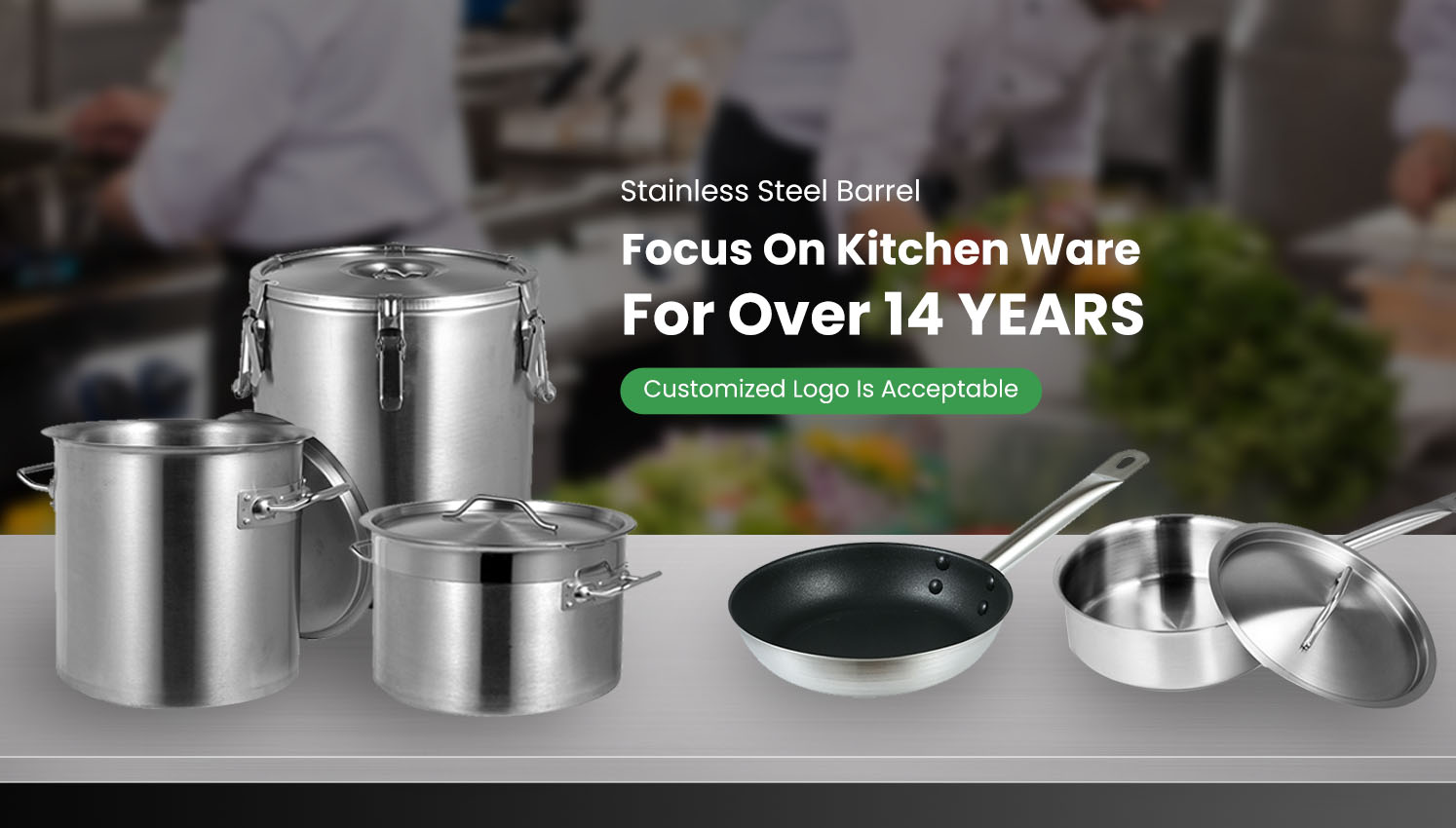
A reliable kitchen equipment supplier is not only a company that can provide products at a low price. For restaurants, hotels, distributors, catering companies and project buyers, supplier reliability affects product quality, delivery schedule, installation efficiency and after-sales communication. When selecting a kitchen equipment supplier, buyers should evaluate the supplier from production capability, quality control, customization support, packaging experience and communication efficiency.
A professional catering equipment manufacturer should have a stable product range, including stainless steel worktables, shelves, sinks, kitchen trolleys, cookware, buffet equipment and related commercial kitchen products. A wider product range helps buyers reduce sourcing time and manage orders more efficiently.
However, product range alone is not enough. Buyers should check whether the supplier has real manufacturing capability, stable workers, production equipment and quality inspection processes. A trading company may be able to collect products, but a factory with production control can usually respond faster to size adjustments, material changes and packaging improvements.
Reliable suppliers should inspect products during production, not only before shipment. Quality control should include material checking, size measurement, welding inspection, surface inspection, assembly testing and packaging review. For products with wheels, handles, glass lids or moving parts, functional testing is also important.
Clear Product Specifications A reliable supplier can provide material grade, thickness, size, weight, surface finish and packaging details.
Stable Sample Quality Samples should match bulk production. If sample quality is good but bulk goods are inconsistent, the supplier may not have strong production management.
Professional Communication Good suppliers reply with clear information, not vague promises. They can explain product differences, packaging options and lead times.
Export Experience Wholesale kitchen supplier experience is important. Export packaging, shipping marks, carton strength and container loading plans all affect delivery results.
Customization Support For project orders, suppliers should support custom sizes, logo branding, OEM packaging or structure adjustments.
| Evaluation Area | What Buyers Should Ask |
|---|---|
| Material | What stainless steel grade is used? |
| Thickness | Can thickness be customized? |
| Production | Is the product made in-house? |
| QC | What inspection steps are included? |
| Packaging | Is export packaging available? |
| Delivery | What is the normal lead time? |
| OEM | Can logo or size be customized? |
A very low quotation may hide risks such as thinner material, weak packaging, rough finishing or unstable delivery. Buyers should compare price together with specifications. If two suppliers quote very different prices, it is necessary to check material thickness, product weight, carton quality and included accessories.
Before confirming an order, buyers should request drawings, photos, samples or production details. For customized equipment, clear drawings can reduce misunderstanding. For repeat orders, suppliers should keep product records to maintain consistency.
Even with careful production, problems may happen during international shipping or installation. A reliable supplier should help analyze the cause, provide replacement parts when needed and improve future orders. Good after-sales service shows whether the supplier values long-term cooperation.
A reliable kitchen equipment supplier should provide stable product quality, clear specifications, practical packaging, timely delivery and professional communication. Buyers should choose suppliers based on complete value, not only unit price. The right supplier can help reduce sourcing risk and support long-term commercial kitchen projects.