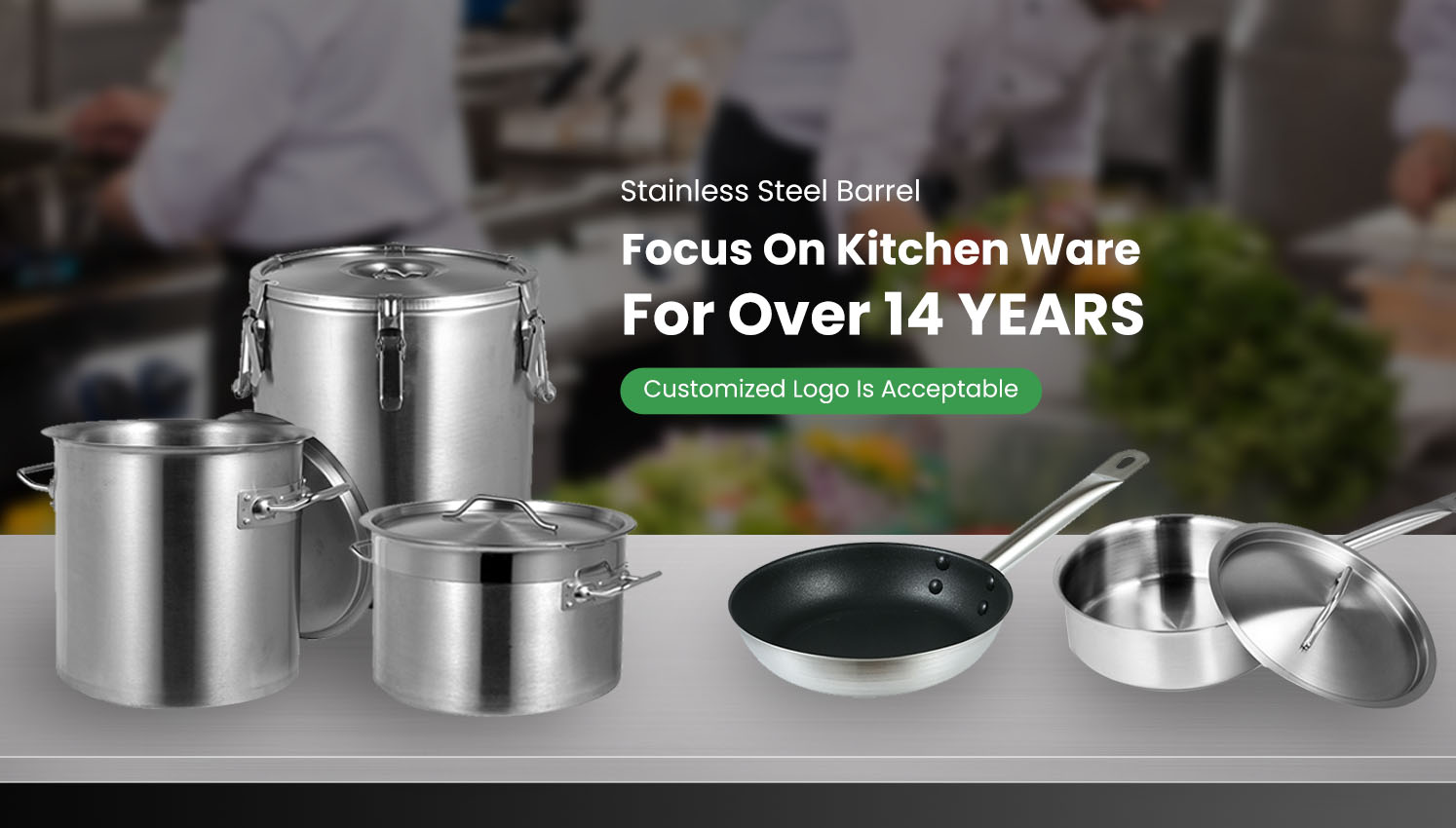
Improving commercial kitchen efficiency means helping staff finish more work with fewer delays, less movement and better organization. In a busy restaurant, hotel kitchen or catering center, even small layout problems can waste time every day. Efficiency comes from workflow planning, equipment placement, storage design and cleaning convenience.
Kitchen work usually follows this path: receiving, storage, preparation, cooking, serving, washing and waste handling. If these areas are mixed or placed too far apart, staff must walk more and carry items repeatedly. Good kitchen equipment optimization should make each step connect naturally.
Place preparation tables near sinks and ingredient storage.
Keep cookware close to cooking stations.
Use trolleys to move trays, food containers and tableware.
Separate clean and dirty routes.
Keep frequently used tools at reachable height.
Use open shelves for fast access.
| Equipment | Efficiency Function |
|---|---|
| Stainless steel worktable | Creates stable preparation area |
| Kitchen trolley | Reduces manual carrying |
| Wall shelf | Saves floor space |
| Sink station | Speeds washing and prep |
| Storage rack | Organizes cookware and ingredients |
| Mobile cart | Supports flexible service |
Many kitchens lose efficiency because workers need to move around obstacles. Walkways should be clear, equipment should not block doors, and working areas should have enough space for two people to pass safely. Commercial kitchen efficiency tips should always include staff movement routes.
Cleaning is also part of efficiency. Smooth stainless steel surfaces, rounded edges and removable parts help reduce cleaning time. Equipment with too many hidden gaps may collect water and grease, making daily cleaning slower.
Oversized equipment wastes space, while undersized equipment creates congestion. Before ordering, buyers should confirm kitchen dimensions, working height, storage needs and service volume. Custom-size equipment can help improve workflow efficiency tools in limited spaces.
Commercial kitchen efficiency improves when layout, equipment and staff movement are planned together. The right equipment does not only store or support items; it helps reduce wasted time, improve hygiene and make daily operation smoother.