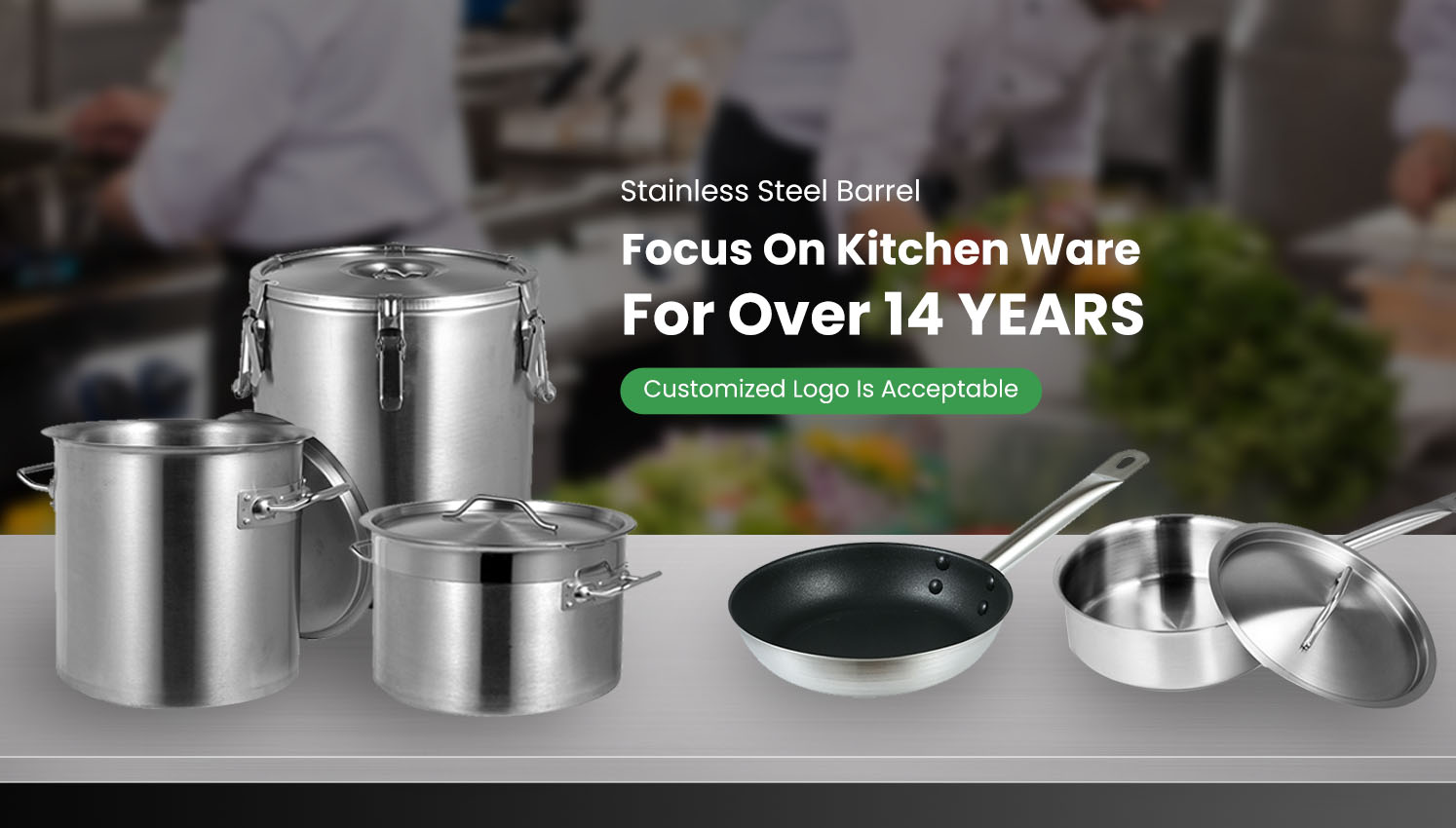
Reducing kitchen equipment return issues requires better quality control, clearer product information and stronger packaging. Returns are costly for both suppliers and buyers. They create extra shipping cost, delayed projects, customer complaints and stock management problems. Most return problems can be reduced before shipment through better specification control.
Common reasons include wrong size, damaged surface, missing accessories, weak structure, poor welding, wrong material or unclear product expectations. In many cases, the product itself may not be completely unusable, but it does not match the buyer’s order details.
To reduce return rate equipment problems, buyers and suppliers should confirm drawings, dimensions, material grade, thickness, surface finish, logo position and packaging method before mass production. For custom equipment, a pre-production sample or detailed drawing is very important.
| Inspection Item | What to Check |
|---|---|
| Material | Grade and thickness |
| Size | Length, width, height |
| Welding | Smoothness and strength |
| Surface | Scratches, dents, stains |
| Accessories | Screws, wheels, handles |
| Packaging | Protection and labels |
| Function | Assembly and movement |
Product quality control should happen during production, not only after production. Suppliers should check raw materials, semi-finished parts, welding, polishing, assembly and final packing. This step-by-step inspection can catch problems earlier and reduce catering equipment defects.
Some returns are caused by shipping damage instead of production defects. Strong cartons, foam protection, corner guards and pallet loading help prevent dents and scratches.
Clear photos, size charts, material descriptions and installation notes help buyers understand what they are ordering. When product information is vague, misunderstanding becomes more likely.
Kitchen equipment return issues can be reduced through clear order confirmation, stable production control, careful inspection and proper packaging. A lower return rate protects profit, improves customer satisfaction and helps build long-term cooperation.