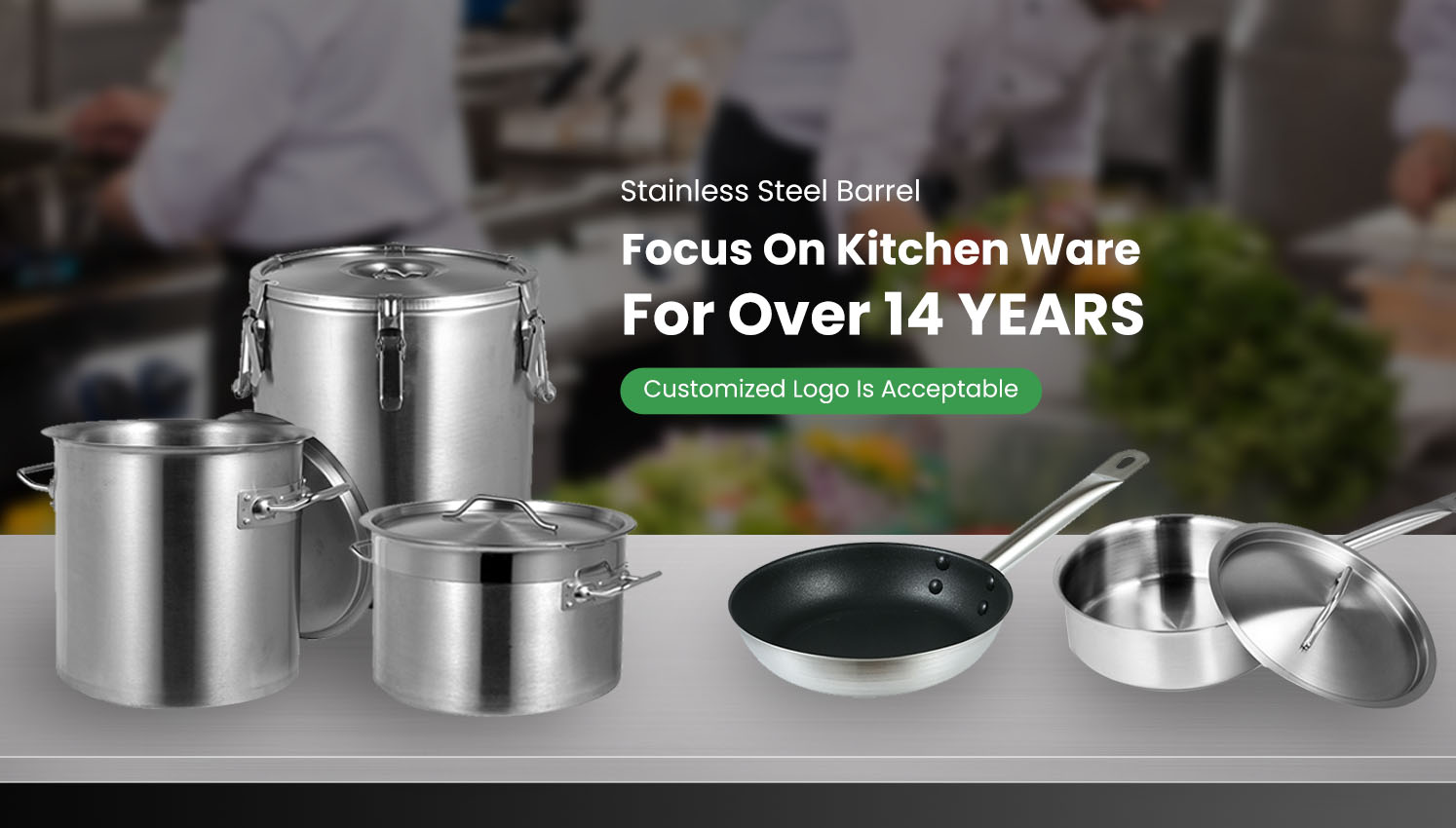
Optimizing kitchen equipment storage solutions helps commercial kitchens save space, improve workflow and reduce equipment damage. In restaurants, hotels, canteens and catering kitchens, poor storage can cause clutter, slower operation, missing tools and safety risks. A good storage system should make cookware, ingredients, tableware and cleaning tools easy to access and easy to manage.
Before designing storage, kitchens should divide items by use frequency, size, weight and function. Daily-use cookware should be placed near cooking areas. Cleaning tools should be stored away from food preparation zones. Heavy equipment should be placed at lower levels to reduce lifting risk.
Cookware and pots
Plates, trays and food containers
Ingredients and dry goods
Cleaning tools and chemicals
Small kitchen tools
Mobile catering equipment
Spare parts and accessories
| Storage Need | Suggested Equipment | Benefit |
|---|---|---|
| Heavy cookware | Reinforced shelves | Better load capacity |
| Small tools | Drawers or hanging racks | Faster access |
| Dry goods | Stainless steel racks | Organized storage |
| Mobile service | Kitchen trolleys | Flexible movement |
| Tableware | Open shelving | Easy picking |
| Spare parts | Labeled boxes | Reduces loss |
Many kitchens waste wall and upper space. Wall shelves, multi-layer racks and hanging systems can increase storage without taking too much floor area. For small kitchens, vertical storage is especially useful.
Catering equipment organization should match the kitchen process. Preparation tools should be near worktables. Cookware should be near cooking equipment. Clean tableware should be near service areas. This reduces unnecessary walking and improves efficiency.
Storage is not only about saving space. It also protects equipment from scratches, dents and moisture. Stainless steel cookware should be stored in dry areas. Heavy pots should not be stacked carelessly. Accessories should be packed or labeled to avoid loss.
A storage systems design should leave room for growth. Restaurants may add new cookware, service trays or seasonal equipment later. Modular shelving and movable racks make future adjustments easier.
To optimize kitchen storage equipment, buyers should classify items, use vertical space, choose suitable racks and place equipment according to workflow. Good storage improves commercial kitchen efficiency, reduces clutter and helps equipment last longer.