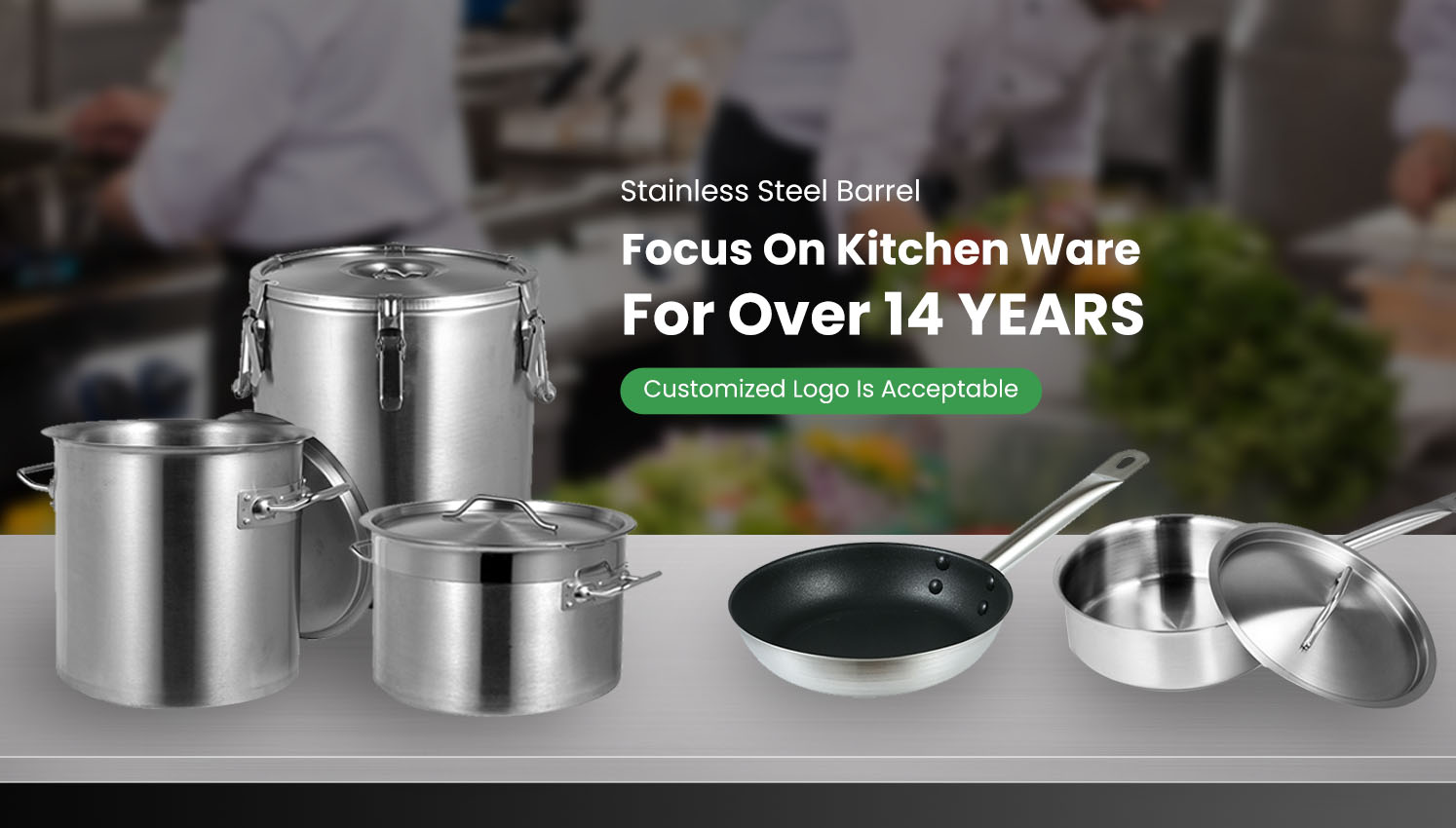
A 5 gallon coffee dispenser is a large-capacity beverage container designed to hold and serve approximately 18.9 liters of coffee. It is commonly used at parties, conferences, community gatherings, offices, and other events where many people need convenient access to hot or cold beverages.
Unlike a standard coffee pot, a large coffee dispenser focuses on serving capacity, temperature retention, and easy dispensing. Depending on its design, it may use insulation, an electric heating system, or a simple gravity-fed spigot to keep coffee accessible throughout an event.
Understanding the different types, materials, and operating features can help users select a suitable dispenser for their space, serving requirements, and beverage preferences.
A 5 gallon coffee dispenser is a high-capacity beverage serving container with a volume of approximately 18.9 liters, based on the US gallon measurement.
Its main purpose is to store prepared coffee and allow multiple people to serve themselves without repeatedly pouring from smaller containers.
Most designs include several basic components:
Main container: Holds the prepared coffee and determines the overall storage capacity.
Lid: Helps prevent dust and other contaminants from entering the container.
Spigot or dispensing tap: Allows coffee to be released into cups without lifting or tilting the entire unit.
Handles: Make the container easier to carry and position.
Insulated walls or heating elements: Help maintain the desired beverage temperature, depending on the model.
Not every 5 gallon coffee dispenser includes an active heating function. Some are designed primarily for temporary storage and temperature retention, while others use electricity to keep beverages hot.
Coffee dispensers are available in several configurations. The main differences involve how they maintain temperature, how beverages are released, and where they are intended to be used.
Insulated coffee dispensers are designed to slow down heat loss without requiring a continuous electrical power supply.
Many models use double-wall construction, with an insulating layer between the inner and outer walls. Some designs also incorporate vacuum insulation to reduce heat transfer.
Common characteristics include:
Double-wall or vacuum-insulated construction
No continuous electricity requirement
Portable designs with carrying handles
Spigot-based dispensing
Suitable for temporary beverage storage
These dispensers are particularly useful for outdoor gatherings, catering events, and locations where electrical outlets are unavailable.
However, insulation does not generate heat. Coffee should be prepared at the appropriate temperature before being transferred into the container.
Electric coffee dispensers use an internal heating element or temperature-control system to maintain hot beverages.
Some models are designed to heat water and brew coffee, while others primarily keep an already prepared beverage warm.
Typical features may include:
Electric heating elements
Adjustable temperature controls
Automatic temperature regulation
Indicator lights
Heat-resistant handles and dispensing components
The exact functions vary by model. A dispenser with a keep-warm function should not automatically be considered a complete coffee brewing machine.
Commercial coffee urns are large-capacity appliances commonly used in banquet halls, hotels, cafeterias, and event venues.
They generally feature a metal body, a built-in heating system, and a dispensing tap positioned near the bottom.
Compared with passive insulated containers, electric coffee urns provide more active temperature management. Some models also include water-level indicators and automatic shutoff protection.
Their larger physical size and electrical requirements make them more suitable for fixed serving stations than for casual portable use.
Some 5 gallon beverage dispensers use a simple gravity-fed tap without an electric heating system.
They may be made from stainless steel, food-grade plastic, or other beverage-contact materials.
Although these products can be used for coffee, their suitability for hot beverages depends on the material's temperature rating and the manufacturer's instructions.
They are also commonly used for iced coffee, cold brew, infused water, and other drinks.
The capacity alone does not determine how practical a dispenser will be. Its construction, dispensing mechanism, and temperature performance are equally important.
A 5 gallon container holds approximately 18.9 liters of liquid.
The actual number of servings depends on the size of each cup.
| Cup Size | Approximate Servings |
|---|---|
| 6 oz | 106 |
| 8 oz | 80 |
| 10 oz | 64 |
| 12 oz | 53 |
These figures are theoretical estimates based on the full nominal capacity. Actual servings may be lower because of filling limits, liquid remaining inside the container, and dispensing losses.
Temperature retention is one of the most important characteristics of a coffee dispenser.
Double-wall insulation helps reduce heat transfer between the beverage and the surrounding environment. Vacuum-insulated designs can provide additional thermal resistance by reducing heat transfer through the space between the walls.
For electric models, heating controls help maintain a selected temperature.
Users should check the manufacturer's stated holding time and temperature instructions rather than assuming that every large dispenser keeps coffee hot for the same duration.
The materials used in a coffee dispenser influence its weight, durability, cleaning requirements, and suitability for different beverages.
Common materials include:
Stainless steel: Resistant to corrosion and suitable for many food-service applications when the correct grade and finish are used.
Food-grade plastic: Lightweight and convenient for portable beverage storage, provided it is rated for the intended temperature.
Heat-resistant components: Used in handles, lids, taps, and other areas exposed to hot liquids.
For hot coffee, all beverage-contact materials should be suitable for the intended operating temperature.
A bottom-mounted spigot allows users to fill cups without lifting the entire container.
A well-designed dispensing system should provide controlled liquid flow, a comfortable operating handle, and a secure connection to the container.
The position of the tap also matters. Sufficient clearance should be available underneath for cups and mugs of different heights.
Although both products are used to serve coffee, they are not necessarily designed for the same purpose.
| Comparison | 5 Gallon Coffee Dispenser | Standard Coffee Urn |
|---|---|---|
| Capacity | Approximately 18.9 L | Varies by model |
| Main purpose | Large-volume beverage storage and dispensing | Brewing or serving hot coffee |
| Heating | Model-dependent | Commonly electric |
| Portability | Depends on insulation and construction | Often heavier |
| Power supply | Not always required | Usually required |
| Dispensing | Commonly uses a spigot | Commonly uses a dispensing tap |
A 5 gallon insulated dispenser is suitable when prepared coffee needs to be transported or served without continuous heating.
An electric coffee urn is more appropriate when brewing or maintaining hot coffee at a serving station is the priority.
Selecting the right product involves more than checking its advertised capacity. Several practical details should be considered before making a decision.
First, consider where and how the dispenser will be used.
For outdoor gatherings and mobile catering, an insulated container without electrical requirements may be more convenient.
For cafeterias, meeting rooms, and indoor serving stations, an electric coffee urn may offer better temperature control.
For cold brew and iced coffee, a dispenser with a compatible beverage-contact material and an easy-to-clean spigot may be sufficient.
A product described as a 5 gallon dispenser may refer to its nominal capacity rather than the recommended operating fill level.
Check the usable volume and leave enough space for the lid and safe handling.
It is also important to distinguish US gallons from imperial gallons. Five US gallons equal approximately 18.9 liters, while five imperial gallons equal approximately 22.7 liters.
The spigot should be easy to operate and should not drip after closing.
Pay attention to the tap material, internal passage, sealing components, and mounting position.
A removable or accessible tap can also make cleaning and maintenance easier.
If coffee needs to remain hot for several hours, review the manufacturer's temperature-retention specifications.
For insulated models, preheating the container with hot water may help reduce initial heat loss.
For electric models, check the temperature settings, power requirements, and safety features.
Coffee residue and oils can gradually accumulate inside the container, particularly around the lid, spigot, and seals.
A wide opening, removable lid, and accessible dispensing components can make routine cleaning much easier.
Always confirm whether the dispenser is dishwasher-safe. Not all insulated containers and electric appliances can be cleaned in the same way.
Correct operation helps maintain beverage quality and reduces the risk of spills or equipment damage.
Clean the container: Wash the interior, lid, and dispensing components before first use.
Prepare the coffee: Brew coffee separately if the dispenser is not designed with an integrated brewing function.
Preheat the container: For insulated hot-beverage models, add hot water briefly before filling, following the manufacturer's instructions.
Fill carefully: Pour the prepared coffee into the container without exceeding its recommended fill line.
Secure the lid: Close the lid properly to reduce heat loss and prevent contamination.
Position the dispenser: Place it on a stable, level surface with sufficient clearance for cups underneath.
Serve the beverage: Open the tap gradually and close it securely after dispensing.
For electric models, follow the manufacturer's instructions regarding filling, switching on, temperature adjustment, and electrical safety.
Regular cleaning is essential because coffee oils, mineral deposits, and beverage residue can affect both flavor and hygiene.
After each use, empty any remaining coffee and rinse the container with warm water.
Wash the interior with a suitable mild detergent and a soft cleaning tool. Avoid abrasive pads that may scratch stainless steel surfaces or damage protective finishes.
Pay particular attention to the dispensing tap. Coffee residue can accumulate inside narrow passages and around rubber seals, potentially restricting liquid flow.
For electric dispensers, disconnect the power supply before cleaning. Never immerse the electrical base, heating element, or power connection in water unless the manufacturer specifically permits it.
Allow all removable components to dry completely before reassembly and storage.
Insufficient insulation, frequent lid opening, or an unsuitable holding temperature may cause coffee to cool faster than expected.
Check the lid seal and review the manufacturer's recommended temperature-retention performance.
A leaking tap may result from loose fittings, worn seals, accumulated residue, or incorrect installation.
Clean the dispensing assembly and inspect its sealing components. Replace damaged parts with compatible replacements.
Restricted flow may be caused by residue inside the tap, an obstructed passage, or a damaged valve.
Clean the spigot thoroughly and ensure that the container is positioned correctly.
Coffee oils and old residue can remain on the container walls, lid, and dispensing components.
Wash all beverage-contact surfaces thoroughly after use and avoid leaving coffee inside the dispenser for extended periods.
A 5 US gallon dispenser holds approximately 18.9 liters. This provides around 80 servings when using 8-ounce cups, although the actual number depends on the usable filling capacity.
It depends on the design. Insulated dispensers slow down heat loss, while electric models may actively maintain beverage temperature. Not every dispenser has a heating function.
Yes, provided its materials and dispensing components are suitable for cold beverages. Some models can also accommodate cold brew and other chilled drinks.
Stainless steel generally offers greater resistance to everyday wear and is commonly used for hot beverage containers. Plastic models are often lighter and easier to carry. The better choice depends on material quality, temperature requirements, and intended use.
There is no universal holding time. It depends on the insulation, heating system, starting temperature, and surrounding conditions. For food safety, follow applicable hot-holding guidelines and avoid relying on insulation alone to maintain a safe temperature.
Yes. Insulated coffee dispensers can operate without electricity because they rely on thermal insulation rather than active heating. Electric models, however, require a suitable power supply.
A 5 gallon coffee dispenser provides a convenient way to store and serve large quantities of coffee without relying on multiple small containers. Its practical value comes from a combination of sufficient capacity, reliable temperature management, durable materials, and convenient dispensing.
Before choosing one, consider whether insulation or active heating is required, verify the actual liquid capacity, and examine the cleaning and maintenance requirements. Matching these features to the intended environment helps ensure a more convenient and reliable coffee-serving experience.
Previous: Induction Chafing Dish
Next: Steam Table Pan Rack