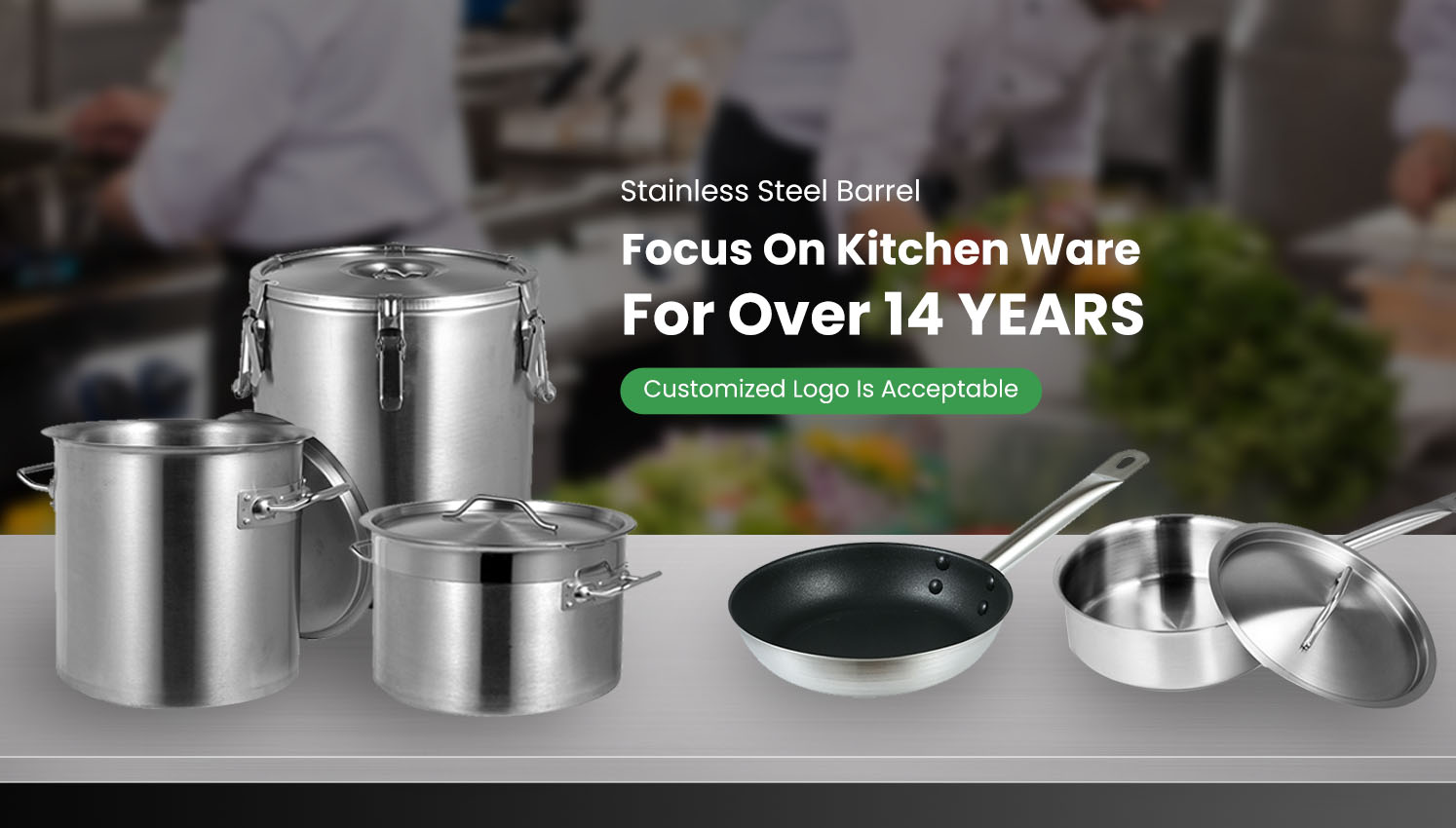
Modern commercial kitchens operate under constant pressure. Equipment is exposed to steam, grease, acidic food, repeated cleaning, high temperatures, water contact, and heavy daily handling. Under these conditions, material selection becomes one of the most important decisions for restaurants, hotels, catering companies, canteens, and buffet operations. Stainless steel has become one of the most widely used materials in commercial kitchen manufacturing because it combines durability, hygiene, and practical long-term performance.
JUNERTE is a commercial kitchenware and buffet equipment manufacturer based in Jiangmen, China. The company produces stainless steel chafing dishes, GN containers, Insulated Buckets, Service Trolleys, soup kettles, Steamers, Rack Trolleys, and related food service equipment for commercial dining environments. Its manufacturing range focuses heavily on stainless steel structures because the material is suitable for food preparation, buffet display, transport, and storage applications.
Kitchen equipment faces continuous contact with water and humidity. Steam from cooking, daily washing, soup spills, sauces, and cleaning chemicals can gradually damage low-quality materials. Stainless steel is widely used because it contains chromium, which forms a protective layer that helps reduce corrosion under normal foodservice conditions.
The World Stainless Association notes that stainless steel is highly resistant to corrosion and staining while maintaining strength and hygienic performance in demanding environments. These characteristics are one reason the material is commonly selected for food processing and commercial kitchen industries.
For buffet service and restaurant kitchens, corrosion resistance helps equipment maintain cleaner surfaces and longer service life. This is especially important for products such as GN pans, bain maries, insulated containers, and food warmers that regularly hold hot liquids or moist ingredients.
Food safety standards require kitchen equipment to be easy to clean and suitable for repeated food contact. Stainless steel surfaces are generally smooth and non-porous, which makes them easier to wash compared with rougher materials that may trap residue.
The NSF describes stainless steel as one of the preferred materials for commercial food equipment because it supports sanitary cleaning and durability in professional kitchens. This relates directly to the food grade material benefits that restaurants and catering operations look for during equipment purchasing.
Cleanability matters in daily service. Chafing dishes, soup kettles, service counters, and GN containers may all need multiple cleaning cycles every day. A smooth stainless steel surface can simplify this process and help maintain cleaner working conditions.
Commercial kitchen products are moved, stacked, washed, stored, and reused continuously. A weak structure can bend, deform, or become unstable after repeated handling. Stainless steel is popular because it combines relatively high strength with practical manufacturing flexibility.
This is one reason commercial cookware materials are often compared according to structural durability rather than only appearance. Service trolleys must support plate weight and transport movement. Rack trolleys need stable shelves. Chafing dish frames should remain balanced during buffet operation. GN pans should maintain shape after repeated heating and cleaning.
JUNERTE’s product range includes stainless steel service trolleys, chafing dishes, stock pots, insulated buckets, and gastronorm containers designed for commercial kitchen environments where daily workload is much heavier than household use.
| Equipment Type | Why Stainless Steel Is Commonly Used |
|---|---|
| GN containers | Resists moisture and repeated washing |
| Chafing dishes | Supports heat exposure and buffet service |
| Service trolleys | Provides structural stability during movement |
| Soup kettles | Suitable for hot liquid holding |
| Insulated buckets | Helps maintain clean food contact surfaces |
| Rack trolleys | Handles heavy tray storage and transport |
Restaurant kitchens often involve direct or indirect heat exposure. Equipment may hold hot food for several hours, support buffet warming systems, or transport freshly cooked dishes from preparation zones to service counters.
Stainless steel performs well under changing kitchen temperatures and remains widely used for warming equipment, steamers, food pans, and buffet serving systems. JUNERTE’s GN pan products are described with a working temperature range from -40°F to 536°F, which supports different food handling and preparation conditions in commercial kitchens.
Because of this flexibility, stainless steel products can often move between preparation, storage, heating, transport, and serving stages without needing multiple container materials.
Buffet service and open kitchens place equipment directly in guest view. Appearance therefore becomes part of the dining experience. Stainless steel creates a clean and organized visual style that fits hotel buffets, banquet service, restaurant counters, and catering displays.
Polished or brushed stainless steel surfaces also match well with beverage dispensers, warming systems, serving utensils, and buffet frames. This consistency helps dining areas appear more professional and coordinated.
The value is not only decorative. Cleaner visual presentation can also help guests feel more confident about food hygiene and kitchen organization.
Restaurant equipment purchasing should consider total operating life instead of only initial cost. Frequent replacement increases labor, transport, storage, and maintenance expenses. Stainless steel products are widely used because they generally provide stable long-term usability when maintained correctly.
This is closely related to the topic of stainless steel kitchen advantages. Restaurants often prefer equipment that can remain functional after years of repeated washing and heavy handling. A durable trolley, food warmer, or GN container may reduce replacement frequency compared with lower-cost materials that wear out more quickly.
Daily maintenance is also relatively straightforward. Most stainless steel kitchen products can be cleaned using standard commercial kitchen procedures without complicated treatment methods.
Commercial kitchens usually combine multiple pieces of equipment into one workflow. GN containers fit buffet warmers and prep counters. Service trolleys transport food pans. Chafing dishes match stainless steel serving tools. Rack trolleys organize trays and storage systems.
This compatibility is one reason buyers often search for the benefits steel kitchen equipment provides in larger foodservice operations. Using similar material types across different equipment categories can create a more consistent kitchen environment and simplify replacement planning.
JUNERTE’s product categories cover buffet display equipment, transport equipment, food storage containers, and stainless steel serving systems, helping kitchens maintain more consistent specification matching.
Catering companies often transport equipment between venues, hotels, banquet halls, outdoor events, and temporary dining spaces. Lightweight but durable construction becomes important during loading and unloading.
Stainless steel products can support this repeated movement while remaining suitable for foodservice conditions. Insulated buckets, service trolleys, buffet warmers, and GN pans are all commonly used in catering workflows where mobility and cleaning efficiency matter.
For this reason, many operators asking why use stainless steel kitchen equipment focus not only on appearance but also on transport durability, hygiene, and easier maintenance during busy service schedules.
Stainless steel is widely used in kitchen equipment because it combines corrosion resistance, cleanability, structural durability, heat suitability, and professional appearance. These advantages support restaurants, hotels, buffets, canteens, and catering operations that need reliable products for daily commercial use.
JUNERTE applies stainless steel across its buffet and kitchenware product range, including GN containers, service trolleys, chafing dishes, insulated buckets, and food warming equipment. This helps create practical kitchen systems that support food preparation, transport, display, and service in demanding foodservice environments.