Changing foodservice operations are reshaping how catering equipment is designed. Hotels, restaurants, banquet halls, canteens, and event caterers no longer look only for equipment that can hold food. They need products that support faster setup, safer food holding, easier cleaning, flexible display, lower operating cost, and smoother movement between the kitchen and service area.
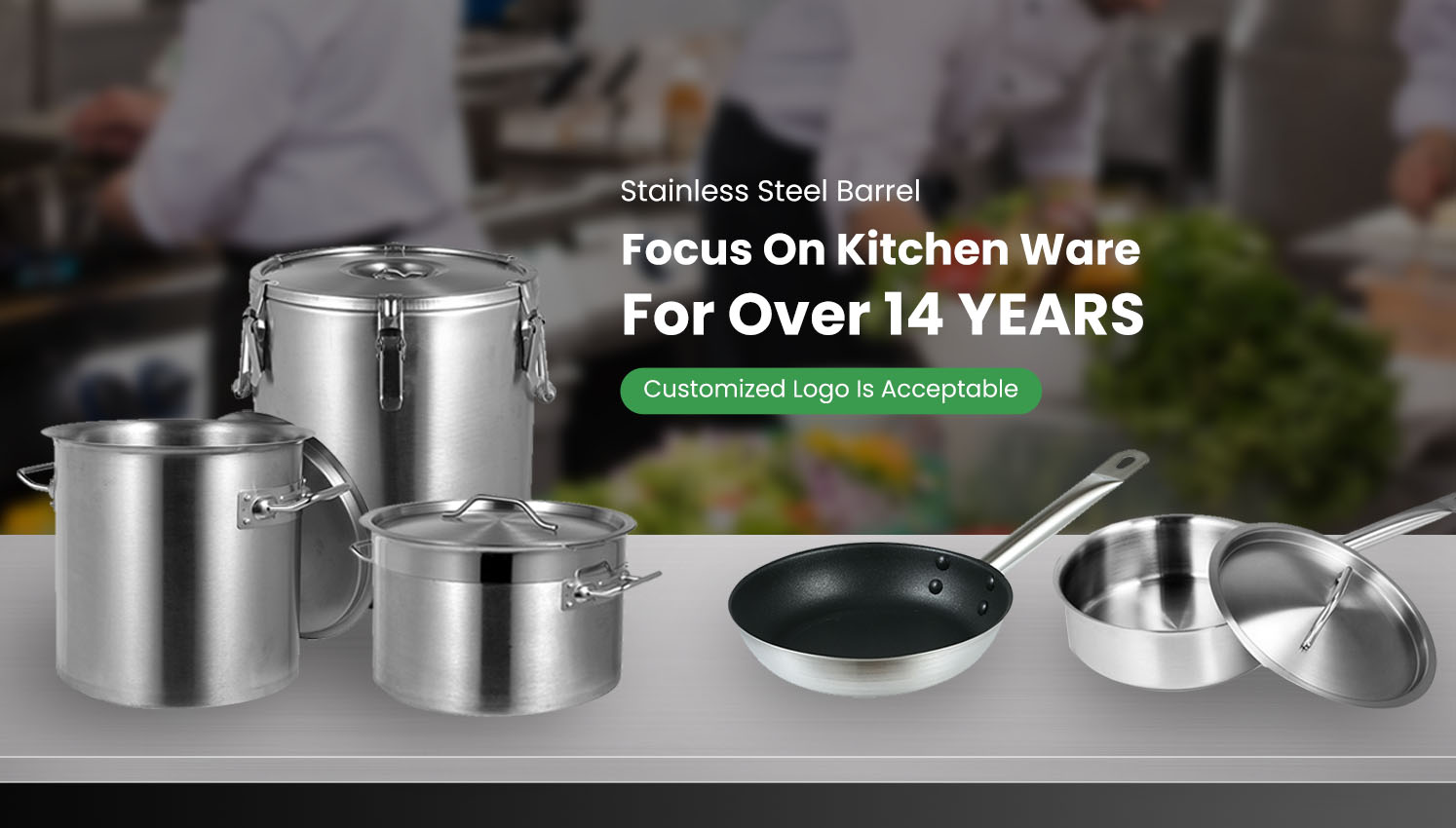
JUNERTE manufactures stainless steel kitchenware, kitchen trolleys, and buffet equipment in Jiangmen, China. The company was established in 2016, with an 8,000 square meter factory and more than 45 employees. Its product categories include Chafing Dishes, GN containers, Service Trolleys, Rack Trolleys, Insulated Buckets, bain maries, soup kettles, juice dispensers, stock pots, and related commercial kitchen products.
Flexible layout is now a major part of catering equipment design trends. One venue may serve breakfast buffet in the morning, banquet meals at noon, and event catering at night. Fixed equipment cannot always support these changes efficiently.
Modular products help operators adjust the setup according to guest number, menu type, serving route, and event scale. GN containers are a good example. Standardized GN sizes allow food pans to fit warmers, prep counters, rails, racks, and trolleys more easily. When chafing dishes, food pans, and transport equipment follow compatible dimensions, the kitchen can reduce unnecessary product variety and simplify replacement planning.
For JUNERTE, this trend fits its product range well. Chafing dishes, gastronorm containers, service trolleys, and insulated buckets can be planned together as a connected foodservice system rather than separate items.
Commercial kitchens use a large amount of energy. ENERGY STAR notes that restaurants and commercial kitchens are among the highest energy users by building type, using about 250,000 BTU, or 73 kW, per square foot. It also states this can be two to three times more energy per square foot than office buildings and retail stores.
This has pushed buyers to look more carefully at modern kitchen equipment design. Heat retention, lid structure, water pan efficiency, insulation quality, and equipment sizing all affect daily energy use. Oversized heating equipment may waste energy during low-volume service, while poorly insulated containers may cause food to lose heat too quickly before serving.
For buffet and catering use, this trend does not only apply to powered equipment. Better food holding, more suitable pan depth, practical lids, and insulated transport containers can also support more efficient service planning.
Foodservice equipment must be easy to clean, inspect, and maintain. NSF food equipment standards cover sanitation requirements related to materials, design, construction, and performance for commercial food equipment. NSF/ANSI 4 covers commercial cooking, rethermalization, and hot food holding equipment, while NSF/ANSI 7 covers commercial refrigerators, freezers, refrigerated buffet units, and related equipment.
Because of this, buyers are paying more attention to smooth surfaces, rounded corners, stable welding, removable pans, accessible water trays, clean lid structures, and fewer dirt-trapping gaps. These details may not look dramatic in product photos, but they strongly affect daily kitchen labor.
Stainless steel remains widely used because it supports repeated cleaning, resists corrosion under normal foodservice conditions, and gives catering equipment a clean professional appearance. JUNERTE’s stainless steel product system reflects this direction across GN pans, trolleys, chafing dishes, and insulated containers.
Catering work involves movement. Food may travel from a central kitchen to an event venue, from a preparation room to a banquet hall, or from a back kitchen to a buffet counter. Equipment design must support this movement safely and efficiently.
Service trolleys, rack trolleys, platform trolleys, insulated buckets, and GN containers are now part of the complete service chain. A trolley is no longer just a cart. It helps move food, plates, trays, utensils, backup pans, and used tableware with fewer trips.
| Design Trend | Equipment Example | Practical Value |
|---|---|---|
| Modular sizing | GN containers, chafing dishes | Easier matching and replacement |
| Energy-conscious holding | insulated buckets, warmers | Helps reduce heat loss |
| Hygiene-focused structure | removable pans, smooth surfaces | Faster cleaning and inspection |
| Mobile service design | service trolleys, rack trolleys | Supports faster setup and clearing |
| Better buffet display | polished chafing dishes, dispensers | Improves front-of-house presentation |
This mobility trend is especially important for hotels, catering teams, canteens, and restaurants with separated kitchen and dining zones.
Buffet equipment is both functional and visual. Guests see chafing dishes, beverage dispensers, soup kettles, serving tools, and food display containers directly. This is why buffet equipment trends are moving toward cleaner lines, coordinated stainless steel finishes, better lid operation, and more organized counter layouts.
A buffet line should look neat while allowing staff to refill quickly. Roll-top chafing dishes, hydraulic chafing dishes, juice dispensers, and polished stainless steel food warmers can help improve the visual level of hotel and banquet service. At the same time, the equipment must remain practical for cleaning, storage, and repeated handling.
JUNERTE’s buffet equipment range includes commercial food warmers, hydraulic chafing dishes, rolling top chafing dishes, juice dispensers, soup kettles, and related serving equipment, giving buyers more options for different dining environments.
More buyers are moving away from buying one product at a time. Instead, they compare whether a manufacturer can provide a connected equipment set for preparation, food holding, buffet display, transport, and storage.
This change is one of the important catering equipment future trends. A complete system can reduce mismatch between pans, trolleys, warmers, lids, and storage racks. It also makes repeat purchasing easier because specifications are more consistent.
For manufacturers, this means product categories must support each other. JUNERTE’s advantage is its wide commercial kitchen and buffet product range, including chafing dishes, GN containers, service trolleys, insulated buckets, bain maries, soup kettles, and stainless steel kitchenware. This allows buyers to plan equipment by workflow instead of only by individual product name.
Attractive appearance is useful, but catering equipment must first survive daily operation. Strong handles, stable bases, smooth casters, practical shelf height, stackable pans, good lid movement, and easy cleaning access are becoming more important in purchasing decisions.
This is closely related to modern kitchen design trends, where equipment must improve workflow rather than only fill space. A good buffet warmer should be easy to refill. A trolley should move smoothly when loaded. An insulated container should be easy to carry and clean. A GN pan should stack neatly and match standard equipment.
Catering equipment design is moving toward modular sizing, energy-conscious operation, hygiene-focused structure, mobile service support, professional buffet display, and complete equipment systems. These trends reflect the real needs of commercial foodservice operations: faster setup, safer food holding, cleaner service, easier transport, and more reliable long-term use.
JUNERTE supports these trends through stainless steel buffet and kitchen equipment designed for preparation, storage, warming, transport, and serving. For restaurants, hotels, canteens, banquet halls, and catering operations, choosing equipment with these design directions can help build a more efficient and professional foodservice system.