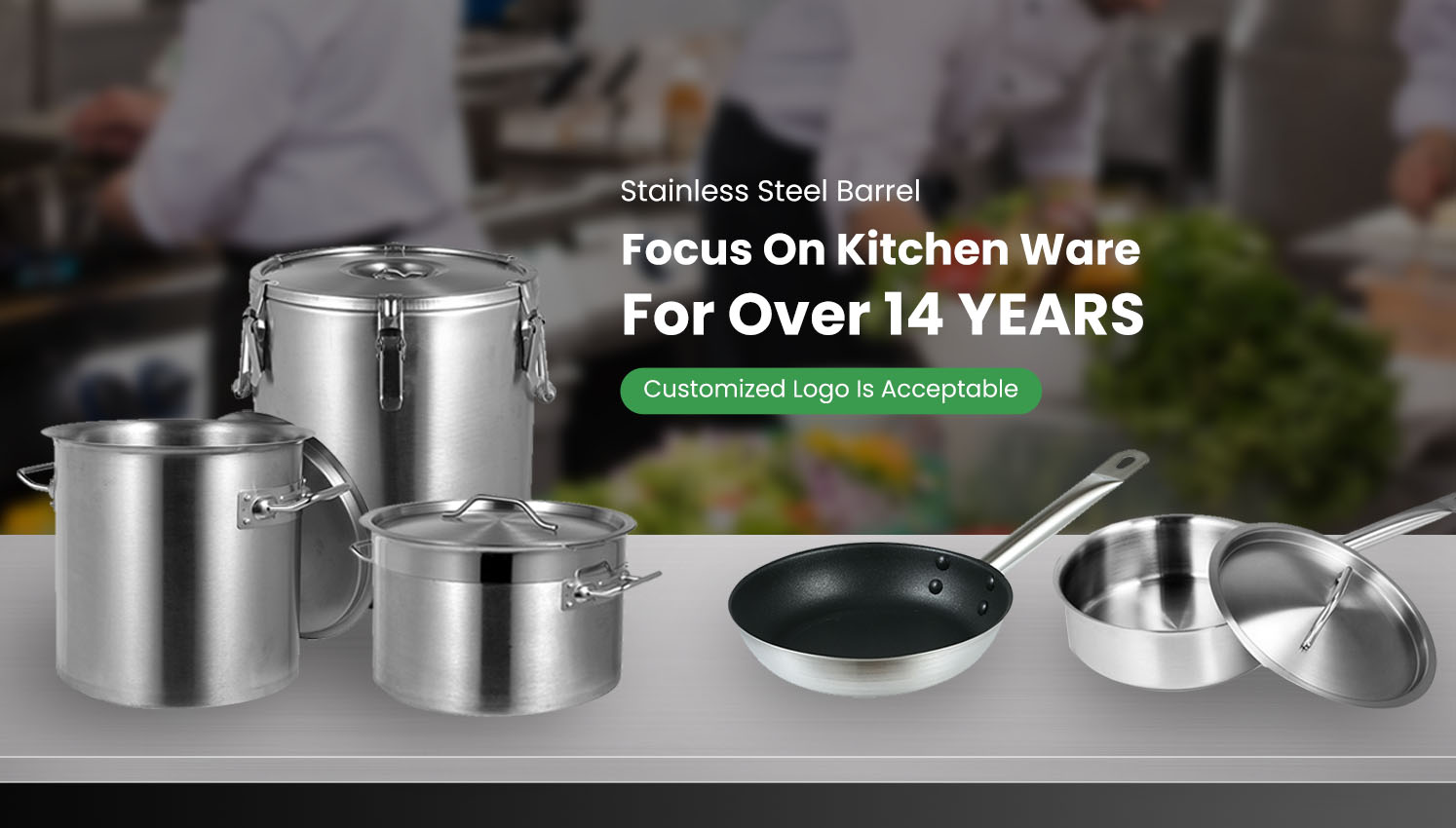
Stainless steel kitchen equipment is widely used in hotels, restaurants, catering kitchens, canteens, and buffet areas because it offers good corrosion resistance, a clean appearance, and reliable durability under daily use. However, stainless steel still needs proper care. Wrong cleaning habits, chemical residue, hard water stains, and long-term food contact can reduce its shine and shorten service life.
A practical stainless steel maintenance guide should focus on hygiene, surface protection, and daily operating efficiency. Food safety guidance from the U.S. FDA emphasizes that food-contact surfaces should be smooth, corrosion-resistant, non-toxic, and easy to clean. This is why proper maintenance is not only about appearance. It also supports safer food service and more stable commercial use.
When equipment is cleaned correctly, staff can remove oil, salt, sauce, water scale, and food residue before they damage the surface. This is especially important for buffet warmers, trays, carts, sinks, counters, and cookware used several times a day.
Kitchen equipment cleaning should begin soon after service ends. Warm water and mild detergent are usually enough for daily cleaning. Use a soft cloth or sponge, then rinse with clean water and dry the surface. Drying is important because water spots and mineral deposits can remain on stainless steel, especially in areas with hard water.
Avoid steel wool, rough brushes, and strong chlorine-based cleaners. These can scratch the surface or weaken the protective layer. Once the surface is scratched, dirt and moisture can stay in small grooves and make later cleaning more difficult.
Food grade cleaning methods should be safe for surfaces that contact food. Neutral detergent, warm water, soft wiping tools, and proper rinsing are more suitable than aggressive chemicals. For greasy cookware, soaking with warm water can loosen residue before cleaning. For light water scale, a diluted food-safe acid cleaner may help, but it should be rinsed fully and dried quickly.
For buffet equipment, removable food pans and lids should be cleaned separately. A Chafing Dish buffet set may include water pans, food pans, covers, frames, and heating bases. Each part should be checked because oil and steam residue often collect around corners, handles, and lid edges.
| Cleaning Issue | Better Method | What To Avoid |
|---|---|---|
| Oil residue | Warm water and mild detergent | Strong alkaline cleaners left too long |
| Water spots | Rinse and dry after washing | Air drying in hard water areas |
| Food stuck on pan | Soak first, then wipe gently | Scraping with sharp metal tools |
| Fingerprints | Soft cloth with neutral cleaner | Rough abrasive pads |
| Heat marks | Clean after cooling properly | Sudden cold rinsing on hot metal |
These cleaning commercial cookware tips help reduce surface damage during repeated use. For heavy-duty kitchens, cleaning tools should also be separated by area. Tools used for greasy cookware should not be used on polished Buffet Display surfaces.
To maintain stainless kitchen equipment, staff should follow a simple rule: clean, rinse, dry, and inspect. Daily inspection helps find loose handles, damaged wheels, bent tray edges, unstable frames, or electrical issues before they affect service.
For an electric chafing dish, the heating plate and power area should not be soaked directly. Always allow the unit to cool before cleaning. Wipe the heating base with a damp cloth, keep electrical parts dry, and check the cable condition regularly. This helps protect both equipment performance and staff safety.
Stainless steel can still stain if salt, acidic sauces, cleaning chemicals, or moisture stay on the surface for too long. Tomato sauce, vinegar, soy sauce, and brine should be removed after service. Chloride residue from some cleaners can also create marks if not rinsed properly.
Equipment stored in humid areas should be kept dry and ventilated. Shelves, carts, food pans, and lids should not be stacked while wet. Good storage habits help prevent odor, water marks, and surface discoloration.
From our manufacturing experience, long service life depends on both material quality and daily maintenance. JUNERTE designs stainless steel buffet and kitchen equipment for commercial dining environments, with practical structures that support cleaning, handling, and repeated use.
We can support different buffet warmers, chafing dishes, food pans, Service Trolleys, and customized equipment configurations according to kitchen layout and service needs. Proper selection and proper maintenance work together to keep equipment looking clean and performing reliably.
Good stainless steel maintenance is not complicated, but it must be consistent. When staff clean equipment with mild products, dry surfaces after rinsing, avoid abrasive tools, and inspect parts regularly, kitchen equipment can stay more hygienic, stable, and professional throughout daily service.