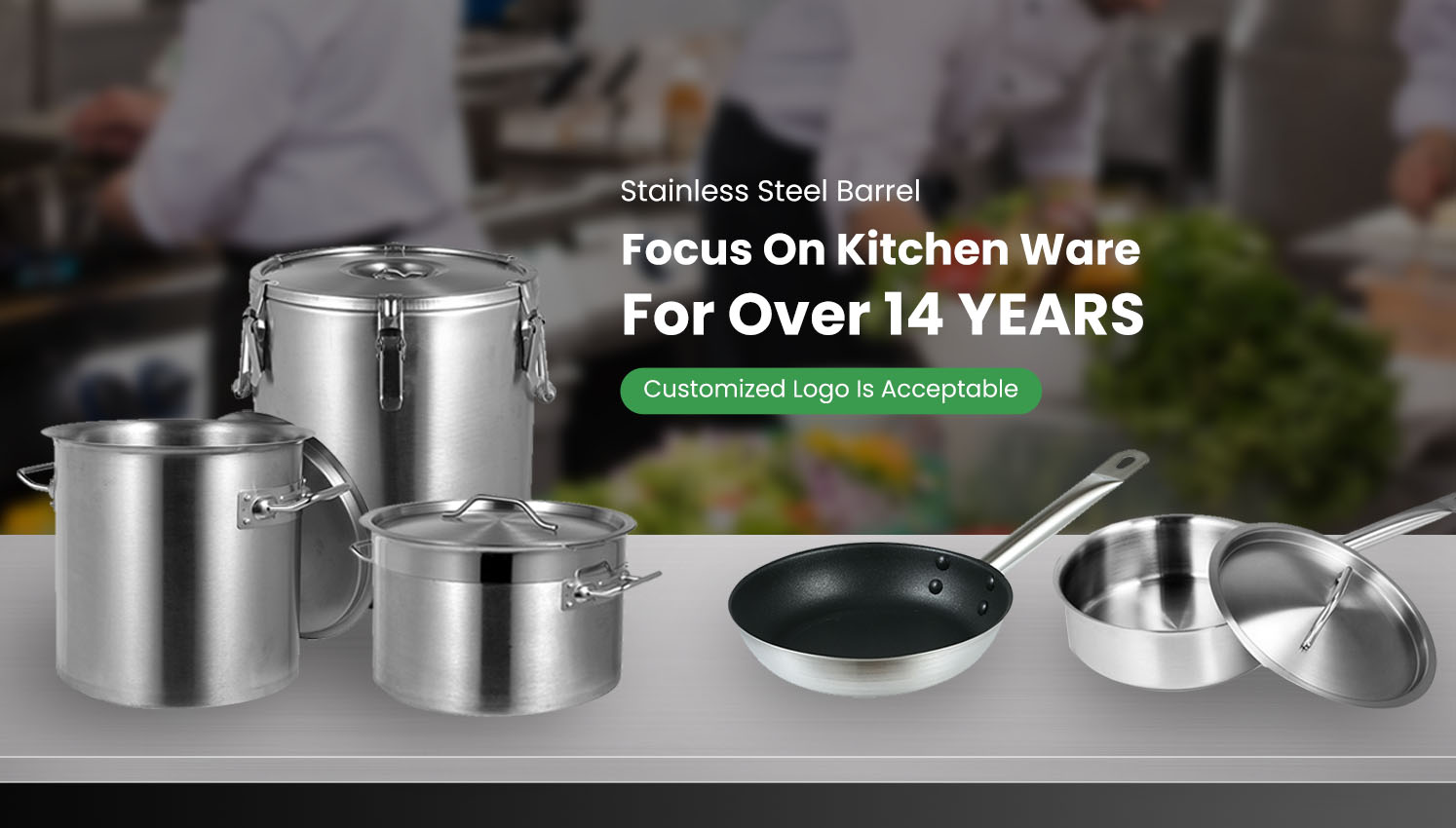
Choosing hotel catering equipment requires more than comparing product appearance. A hotel kitchen must support breakfast service, banquet preparation, room service, buffet counters, staff meals, and event dining. Each area has different needs for heating, cooking, storage, food display, cleaning, and transport. Good equipment planning helps the kitchen work faster, safer, and with fewer service interruptions.
A practical hotel kitchen equipment guide should begin with daily operating rhythm. Breakfast usually needs fast batch cooking and stable buffet holding. Banquets need large-volume preparation and quick serving. Restaurants need consistent plating and flexible menu support. Room service needs equipment that keeps food quality stable before delivery.
According to FDA food safety guidance, hot food should be held at 57°C or above, while cold food should stay at 5°C or below. This means hotel equipment should not only cook food well, but also protect temperature during holding, transfer, and display.
Hospitality kitchen equipment should be planned by function. Cooking areas need durable cookware and heating units. Preparation areas need tables, sinks, shelves, and storage tools. Buffet areas need equipment that keeps food warm, visible, and easy for guests to access. Service routes need trolleys and transport tools that help staff move food quickly.
For large kitchens, equipment should also match staff movement. If cooking, plating, and service areas are too far apart, staff lose time during peak hours. If the layout is too crowded, safety and cleaning become harder.
A stockpot with compound bottom is useful for soups, sauces, stocks, and high-volume cooking because the layered base supports more even heat distribution. This helps reduce burning and improves cooking stability during long preparation periods.
A commercial Steamer for kitchen use is suitable for vegetables, seafood, buns, rice dishes, and other menu items that need moist heat. Steam cooking can support batch preparation while helping preserve texture and moisture.
For buffet areas, a commercial buffet warmer helps maintain prepared food at serving temperature. It is especially important for breakfast counters, banquet lines, and self-service dining areas where food may stay on display for an extended period.
| Hotel Area | Equipment Focus | Main Purpose |
|---|---|---|
| Main kitchen | Cookware, steamers, worktables | Batch cooking and preparation |
| Buffet area | Warmers, Chafing Dishes, display trays | Food holding and presentation |
| Banquet service | Large-capacity equipment | Fast preparation for group dining |
| Dishwashing area | Racks, sinks, cleaning tools | Hygiene and turnover speed |
| Service route | Trolleys and carts | Food and tableware transport |
Buffet service equipment should be selected according to guest volume, not only counter size. A hotel serving 80 breakfast guests needs a different setup from a venue serving 300 guests within one hour. If the equipment is too small, staff will refill constantly. If it is too large, food may sit too long and lose freshness.
Capacity planning should review average occupancy, breakfast peak time, banquet scale, and menu structure. Flexible equipment combinations often work better than one oversized solution because hotels may handle different service formats on the same day.
Commercial hotel equipment needs strong material and easy cleaning. Stainless steel is widely used because it resists corrosion, supports frequent washing, and fits professional kitchen environments. Smooth surfaces, removable trays, reinforced frames, and stable handles can reduce cleaning time and improve daily safety.
Hotels should also consider maintenance access. Equipment with complicated corners or hard-to-remove parts may look attractive at first, but can increase labor during daily cleaning. Long-term operation depends on how easily staff can clean, inspect, and reuse the equipment.
For catering equipment hotel projects, purchasing decisions often involve layout drawings, kitchen workflow, service style, and delivery schedule. Equipment should fit the site before installation, including door width, counter height, drainage position, power supply, and staff movement routes.
Customization may be useful when standard sizes do not match the kitchen or buffet counter. Our team can help review dimensions, capacity needs, and usage scenarios before production, reducing the risk of unsuitable equipment after delivery.
From our manufacturing experience, hotels need catering equipment that balances capacity, durability, appearance, and operating convenience. JUNERTE supports buffet warmers, chafing dishes, stainless steel cookware, Service Trolleys, steamers, food pans, and related kitchen equipment for commercial hospitality use.
Good selection should make daily service smoother, not more complicated. When cooking equipment, Buffet Display, and transport tools are planned together, the hotel kitchen becomes easier to manage during both regular dining and peak event service.
The best catering equipment for hotels is not simply the largest or most expensive option. It is the equipment that fits the menu, guest volume, kitchen layout, cleaning routine, and service rhythm. With the right planning, hotels can improve food quality, staff efficiency, and the overall dining experience from preparation to presentation.