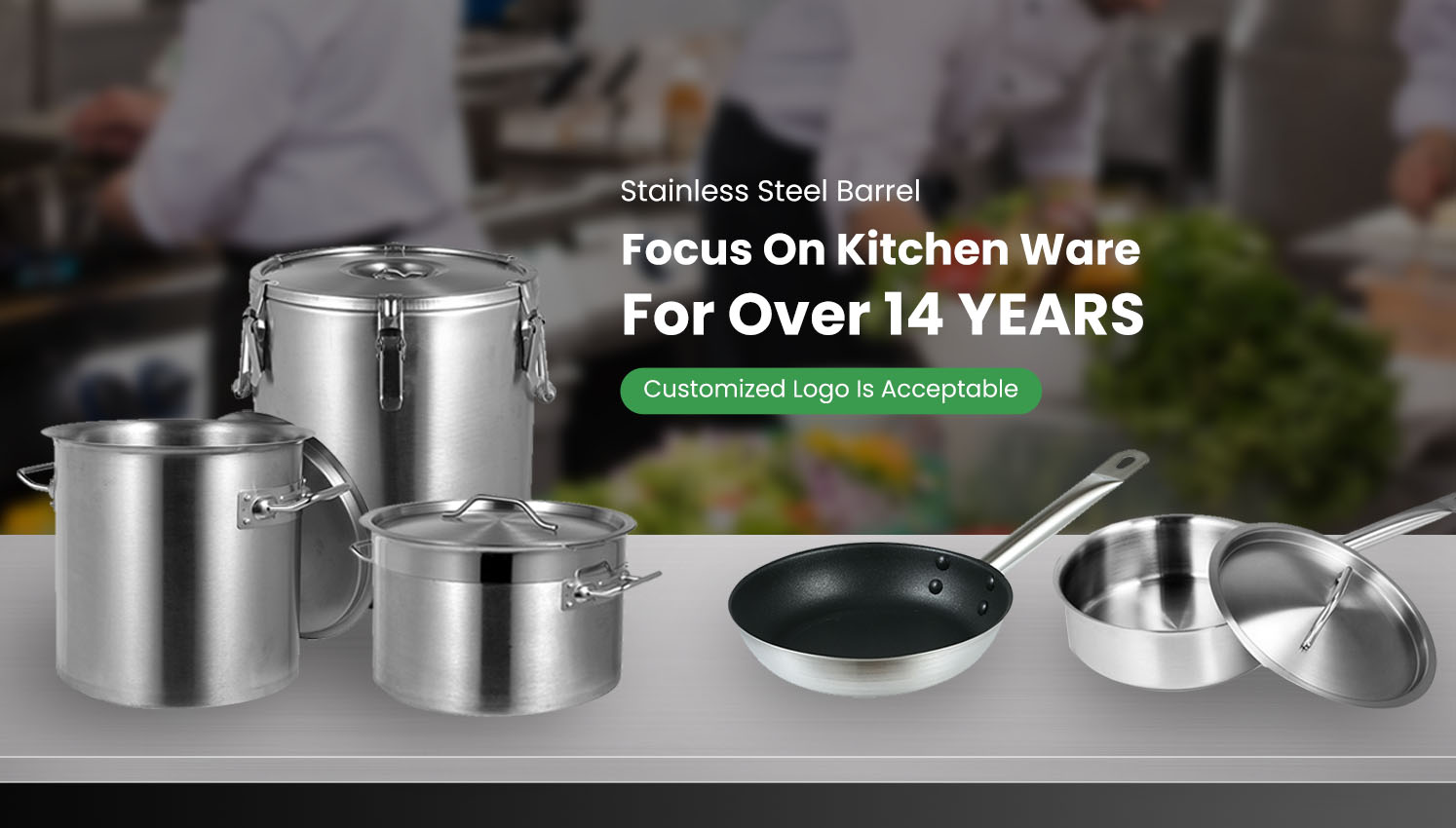
Choosing heavy duty kitchen equipment is different from buying ordinary household kitchenware. Commercial kitchens work under higher pressure, longer operating hours and more frequent cleaning cycles. Restaurants, hotels, canteens, bakeries and catering service kitchens need equipment that can support repeated loading, movement, washing and daily impact. A wrong selection may lead to deformation, rust, unstable operation or early replacement. Therefore, buyers should evaluate material, structure, load capacity, safety and supplier support before placing bulk orders.
Heavy duty equipment should match real kitchen use. A small café may only need light storage racks and simple preparation tables, while a central kitchen may require reinforced stainless steel worktables, large cookware sets, industrial kitchen tools, heavy-duty trolleys and high-capacity shelving systems. Before choosing equipment, buyers should confirm daily production volume, working hours, cleaning frequency and maximum loading weight.
For example, a kitchen trolley used for banquet service may carry trays, pots and ingredients many times per day. If the frame is too thin or the wheels are weak, it may become unstable after short-term use. Heavy duty kitchen equipment should be selected according to actual pressure, not only product size.
Material Grade Commercial grade cookware and kitchen equipment commonly use stainless steel because it is hygienic and easy to clean. For humid kitchens, food contact areas and washing zones, 304 stainless steel is often preferred because it has better corrosion resistance than lower-grade materials.
Thickness and Weight Thicker panels and stronger tubes usually provide better load capacity. When comparing quotations, buyers should check material thickness, product weight and support structure. A lower price may come from thinner material.
Frame Reinforcement Heavy duty equipment should have stable legs, cross bars, reinforced shelves and firm welding. These details help prevent shaking, bending and long-term deformation.
Wheels and Moving Parts For trolleys, carts and mobile racks, wheels are critical. Buyers should check wheel diameter, brake function, bearing strength and installation method.
| Check Point | Recommended Focus | Buyer Benefit |
|---|---|---|
| Stainless steel grade | 304 for wet areas | Better corrosion resistance |
| Panel thickness | Match loading demand | Less bending |
| Welding quality | Smooth and firm joints | Longer structure life |
| Wheel system | Brake and load capacity | Safer movement |
| Surface finish | Brushed or polished | Easier cleaning |
| Packaging | Reinforced export packing | Lower shipping damage |
Heavy duty kitchen equipment often looks similar in product photos, but actual strength may be very different. Low-cost options may reduce material thickness, simplify reinforcement or use weaker accessories. This can increase maintenance cost later. Buyers should compare full specifications instead of only unit price.
A professional supplier can provide material details, drawings, size customization, load-bearing suggestions and export packaging solutions. For wholesale orders, buyers should also confirm MOQ, delivery time, logo customization and spare parts support.
The right heavy duty kitchen equipment should be strong enough for daily commercial use, easy to clean and suitable for the kitchen layout. Buyers should choose durable kitchen tools selection based on material, thickness, structure, movement safety and supplier reliability. A better specification may cost more at first, but it helps reduce replacement cost and improves long-term kitchen efficiency.