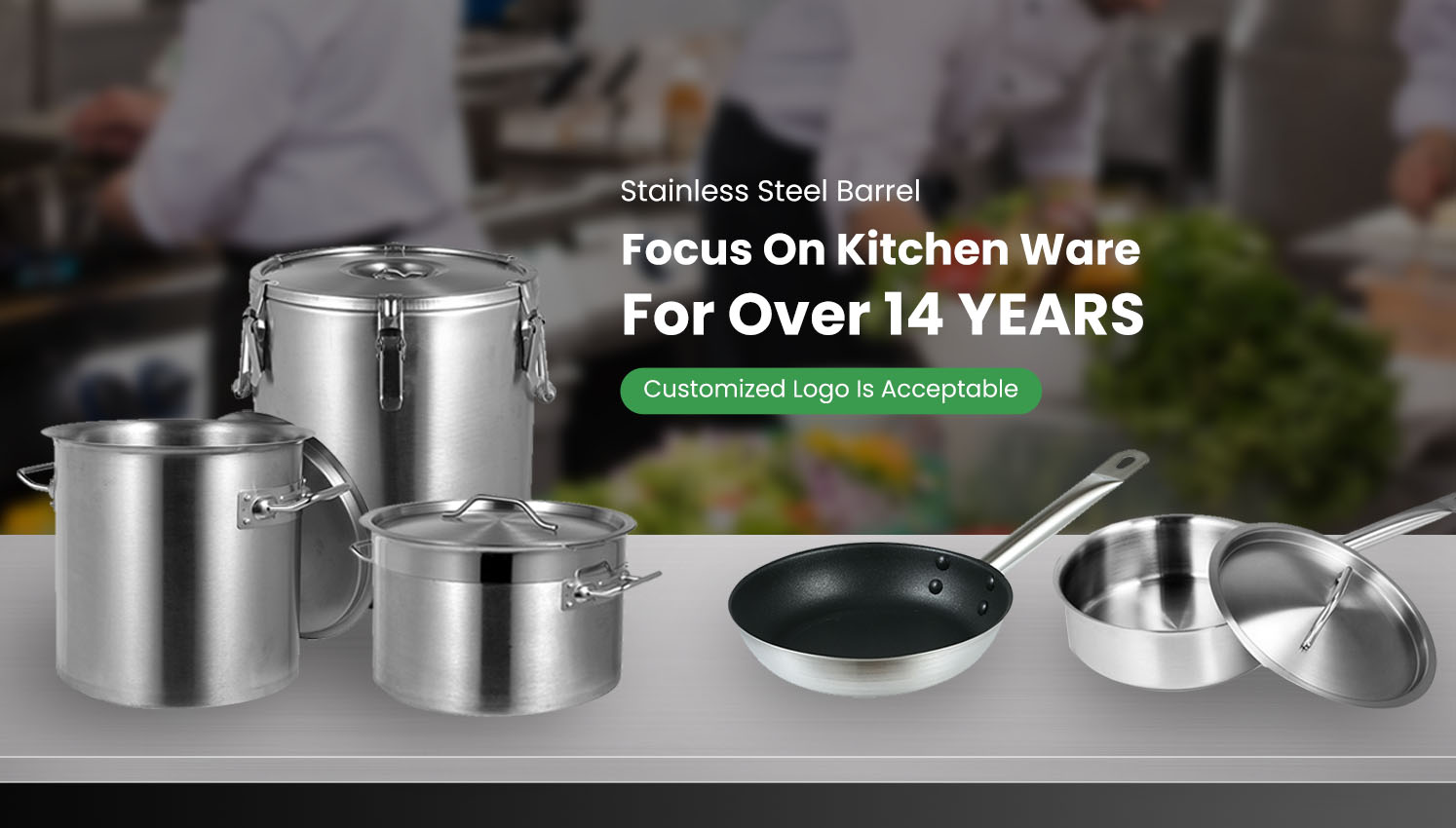
Catered food can lose serving temperature during kitchen preparation, vehicle transport, venue setup, and guest service. Solving the problem requires a complete holding plan rather than relying on one heat source. Food should leave the kitchen at the correct temperature, travel in suitable insulated containers, and move into preheated buffet equipment as soon as the serving station is ready.
Chafing Dishes are holding equipment and should not be used to reheat cold meals. Cooked food needs to reach the required internal cooking temperature before being transferred into covered pans. Preheating the food pans and insulated carriers can reduce the initial temperature drop caused by contact with cold equipment.
Keep each pan covered during staging. Large empty spaces inside a container accelerate heat loss, so pan size should match the food quantity. Sauces, rice, pasta, and meat should be separated because they lose moisture and temperature at different rates.
Insulated food carriers help limit heat loss between the production kitchen and the event site. Containers should be loaded close to departure time and opened only when necessary. The delivery schedule must also include unloading, elevator access, security checks, and venue setup because these steps extend the actual holding period.
Place a calibrated food thermometer with the catering team. Container surfaces or visible steam cannot confirm the temperature at the center of the food. Under the FDA Food Code, applicable hot-held food should generally remain at 57°C or 135°F or above. Local regulations may set additional requirements.
A commercial chafer uses fuel or electricity to heat water below the food pan. The water bath spreads heat across the pan base and reduces direct hot spots. Add hot water to the lower pan, install the food pan, close the lid, and activate the heating source before service.
Two smaller pans may perform better than one deep pan. Staff can display one batch while keeping the second covered, then rotate fresh food into the buffet. This reduces repeated exposure and prevents the entire production volume from remaining over heat for too long.
| Catering stage | Recommended equipment | Main control point |
|---|---|---|
| Kitchen staging | Covered food pans | Transfer food while hot |
| Vehicle delivery | Insulated carriers | Limit opening time |
| Venue preparation | Preheated chafers | Use hot water |
| Guest service | Fuel or electric warmers | Check food temperature |
| Replenishment | Smaller backup pans | Rotate food in batches |
Indoor venues may favor electric models when permanent power is available, while fuel chafers provide more freedom for temporary stations. Folding frames support mobile catering because they require less storage space. Roll-top lids improve guest access, and rectangular GN-compatible pans simplify menu separation.
As a catering equipment manufacturer, we can configure chafer shape, capacity, heating source, stainless steel thickness, lid structure, finish, and packaging around the target event market. Reliable catered food holding begins with equipment that matches the menu, delivery route, service duration, and venue restrictions.
Previous: How to Use a Chafer Dish?